Packing Tips for the Everest Base Camp Trek
- Double-check that your equipment is high-quality and up to the challenge of high-altitude trekking.
- Make your backpack as light as possible, but don't sacrifice on a warm sleeping bag, insulated coat, and good trekking boots.
- Carry a personal first-aid kit at all times, along with sunscreen, lip balm, and insect repellent.
- Acclimatize well before attempting higher altitudes.
- Drink plenty of water to remain hydrated, and have a well-balanced diet with high-energy snacks.
- Heed your body's signals, and take rest where needed to avoid exhaustion or altitude sickness.
- Plan and pack thoughtfully so that your must-haves are within convenient reach.
- Through thoughtful planning and proper packing choices, your trek to Everest Base Camp will not only be possible but also a safe and rewarding adventure.
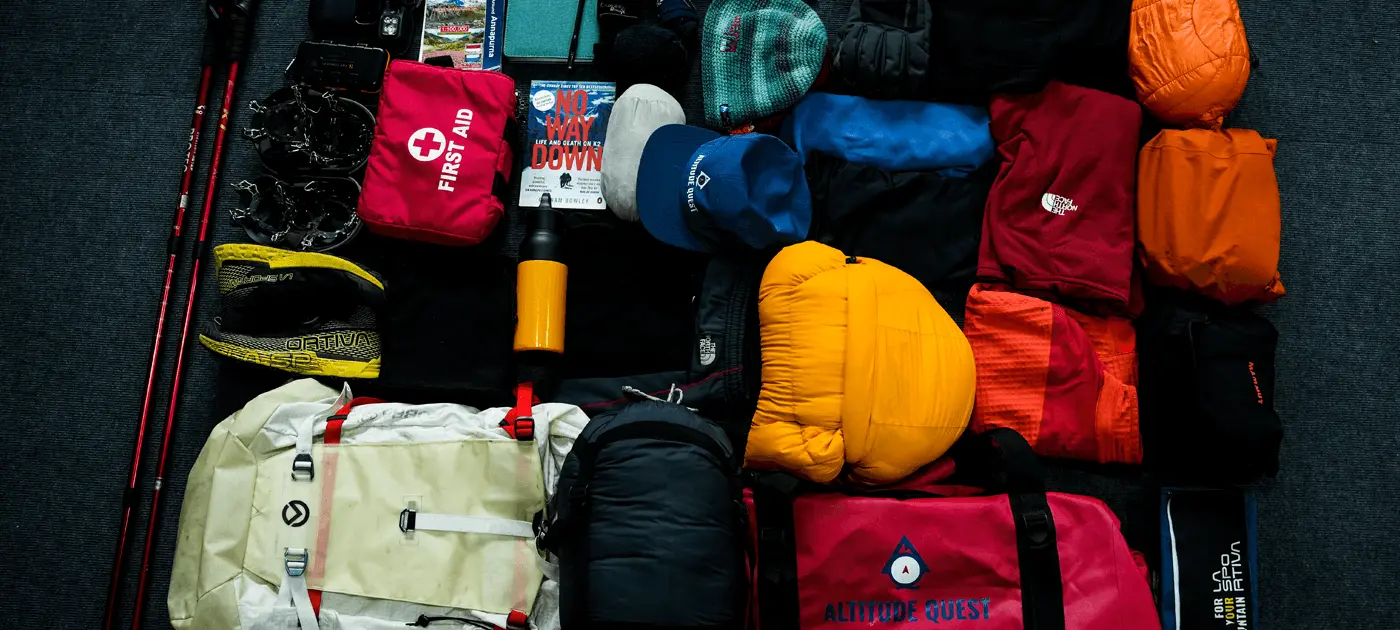
In planning for the Everest Base Camp Trek, one needs to prioritize things that harmonize comfort, functionality, and weight. The trek comes with long walking hours, diverse altitudes, and unpredictable climatic conditions, so every piece of gear in your backpack must have a purpose. This is a comprehensive basic list to use as a guide:
- Backpack (40–50L) – Light and robust with rain cover.
- Daypack (20–30L) – For everyday hikes to carry the essentials: water, snacks, and a camera.
- Sleeping Bag – Four-season, rated to at least –10°C to –15°C.
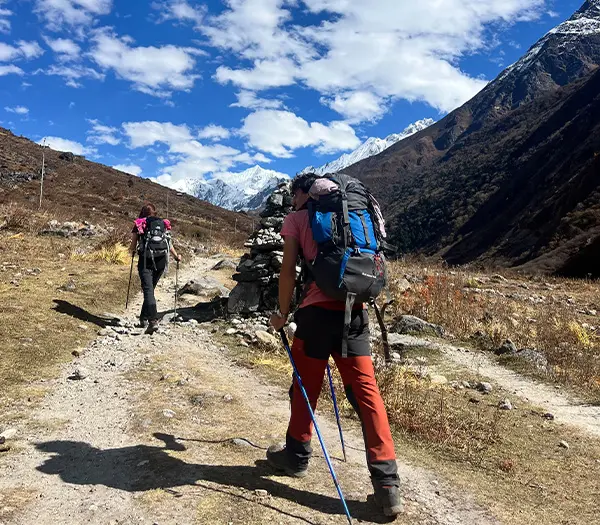
- Trekking Poles – To maintain balance and avoid knee strain, particularly downhill.
- Water Bottles & Purification Tablets – To ensure proper hydration and not purchase plastic bottles.
- Headlamp with Extra Batteries – For early morning departures or when the power is out in teahouses.
- First Aid Kit & Medicines – Altitude sickness pills, band-aids, and pain relievers.
- Energy Snacks/Bars – Light, high-calorie food for quick energizers on the trail.
- Power Bank & Adapter – Charging services are limited and costly in upper villages.
- Sunscreen, Lip Balm & Shades – Sun protection at high altitudes.
- Travel Documents – Passport, permits (TIMS & Sagarmatha National Park entry), and insurance copies.
This forms the foundation of your packing list. We will break it down in finer detail by gear, clothing, shoes, and accessories in the succeeding sections to avoid missing anything important.
Travel Documents for Everest Base Camp Trek
It is best to have all the travel documents ready before packing. They are not to be bargained on and essential for trekking in Nepal:
- Valid Passport (with 6 months' validity minimum)
- Nepal Visa (acquired upon arrival at Kathmandu airport or online)
- Trekking Permits – TIMS Card and Sagarmatha National Park Entry Permit
- Travel Insurance Documents (for high-altitude trekking up to 5,500m and emergency helicopter evacuation)
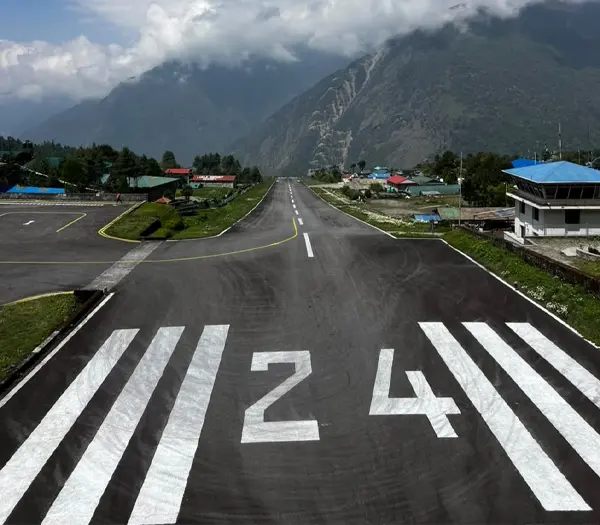
- Flight Tickets (international + domestic flights to/from Lukla)
- Passport-sized Photos (for permits)
- Photocopies of Important Documents (keep digital and physical copies)
Travel Clothing
- Headwear
- Sun hat or cap
- Warm woolen or fleece hat
- Buff or neck gaiter
- UV-protection sunglasses
Bodywear – Torso
- Moisture-wicking base layers (2–3)
- Insulating fleece or down jacket
- Waterproof and windproof shell jacket
- Lightweight trekking shirts (3–4)
Handwear
- Lightweight liner gloves
- Insulated warm gloves or mitts
- Waterproof gloves
Bodywear – Below the Torso
- Thermal base layer pants (2 pairs)
- Trekking trousers (2–3 pairs, quick-dry)
- Waterproof/windproof shell trousers
- Comfort shorts (optional at lower altitudes)
Footwear
- Robust waterproof trekking boots (properly broken-in
- Camp shoes or sandals for the nights
- Trekking socks (5–6 pairs, mix of wool and synthetic)
- Gaiters (useful in snow or muddy conditions)
Trekking Equipment
- Backpack (40–50L) with rain cover
- Daypack (20–30L)
- Sleeping bag (–10°C to –15°C rated)
- Trekking poles
- Water bottles or hydration bladder
- Water purification tablets or filter
- Headlamp with spare batteries
- Dry bags for keeping things neat and waterproofing
Accessories
- Power bank & multi-plug adapter
- Camera/GoPro with spare batteries
- Travel towel (quick-dry)
- Lightweight lock for bags
- Snacks/energy bars
- Trekking map or offline GPS app
Medicine
- Personal prescription meds
- First aid kit (band-aids, antiseptic cream, painkillers)
- Altitude sickness medication (Diamox or similar)
- Motion sickness tablets (for Lukla flight)
- Oral rehydration salts (ORS)
- Cold and flu medication
Toiletries
- Biodegradable soap and shampoo
- Toothbrush and toothpaste
- Wet wipes and hand sanitizer
- Sunscreen (SPF 50+) and lip balm (SPF 30+)
- Insect repellent
- Toilet paper (not standard in teahouses)
Common Packing Mistakes to Avoid for Everest Base Camp Trek
- Rather than one large, clumsy jacket, bring layers that you can add or remove based on altitude and temperature.
- Take your trekking boots on city walks and test all equipment (sleeping bag zippers, headlamps, trekking poles) to make sure they are working properly before leaving.
- Pack snacks, sunscreen, water, and papers in your daypack so they are easily accessible.
- Store heavy gear close to your back in the backpack for balance.
- Protect clothes and electronics from unexpected rain or snow.
- Carrying too much weight makes trekking harder and tiring; only bring what you’ll actually use.
- High-altitude sun can cause serious burns; sunglasses, sunscreen, and lip balm are a must.
- Don’t rely only on teahouses for medical help; carry your personal first aid kit.
- Energy bars or nuts provide a quick boost when you’re low on energy between meals.
- Prevent blisters by breaking in your trekking shoes weeks before the trek.
Conclusion
Intelligent packing is arguably the most important step towards an enjoyable, safe, and memorable Everest Base Camp trek. With the appropriate equipment, clothing, accessories, and personal gear prepared, you can tackle unpredictable weather, high altitude, and long walks with minimal hassle. Do not forget to pack smart, dress in layers, and bring first-aid kits, snacks, and sunscreen for a hassle-free trip.
With planning and the right packing list, your Everest Base Camp trek will be once in a lifetime with stunning mountain vistas, rich Sherpa culture, and unforgettable experiences.
Trek, pack, and plan with Altitude Quest for expert guidance, sage support, and an awe-inspiring Himalayan adventure that's safe and thrilling.
FAQs for Packing for Everest Base Camp Trek
How much luggage do I need to bring for the Everest Base Camp trek?
For the Everest Base Camp trek, pack light with your personal main backpack of 40–50 liters as best. Overpacking would make trekking an exhausting experience, especially at higher altitudes. Use a daypack (20–30 liters) for carrying items like water, snacks, sunscreen, and your camera for daylong treks.
Can I hire a porter on the Everest Base Camp trek, and how much weight can they carry?
Yes, it is fine to employ a porter on the EBC trek. Porters typically carry a maximum weight of 30 kg (66 lbs) of luggage, so trekkers need to carry just a daypack but will still be able to climb comfortably. Porters are very experienced and skilled at navigating difficult trails, but do load your gear thoughtfully and don't overload them.
What are the must-haves in an Everest Base Camp packing list?
Your trekking equipment at EBC should include layered clothing for varied temperatures, support trekking shoes, a quality sleeping bag, trekking poles, water bottles, headlamp, first-aid kit, snacks, sunscreen, and travel documents. These items help you adjust to the high-altitude challenges as well as unpredictable weather.
Do I need to provide my own sleeping bag, or do they include it in the trek?
We strongly advise you to bring your personal four-season sleeping bag from –10°C to –15°C. While blankets are sometimes provided by teahouses, low night temperatures at high elevation can drop drastically, and having your personal sleeping bag ensures cleanliness, warmth, and comfort.
How do I organize packing for the Everest Base Camp trek?
To pack successfully, layer clothes, and waterproof using dry bags, and organize your gear such that you have highly used equipment at hand in your daypack. Avoid carrying too much heavy loads and utilize porters to carry extra luggage. This will make your trek comfortable without subjecting you to added stress.
Can I rent equipment for the Everest Base Camp trek in Nepal?
Yes, there are many trekking shops both in Kathmandu and Lukla where one can get rented equipment such as down jackets, sleeping bags, trekking poles, and boots. However, such things as daypack, water bottle, and first-aid kit are recommended to bring along for convenience and health reasons.