Types of Rock Climbing in Nepal
Nepal is known for offering different rock climbing activities for people of different experience levels, including novices, adventurers, and experienced rock climbers. The different rock climbing activities in Nepal provide an opportunity for rock climbers to engage in different rock climbing techniques and styles, depending on the different rock climbing options available in Nepal. The different rock climbing activities available in Nepal include:
Sport Climbing
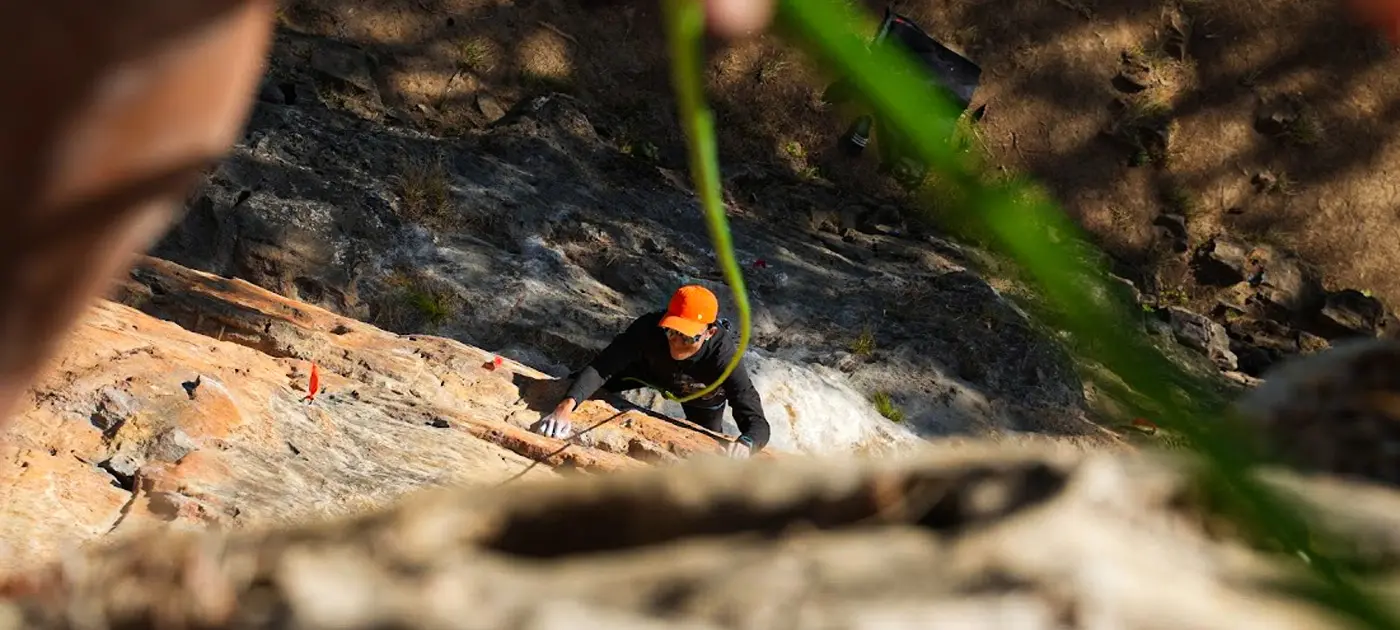
Sport climbing is one of the most popular sports in Nepal, especially around Kathmandu, Dhulikhel, or Pokhara. It involves climbing routes that have pre-placed anchors, bolts, or protection. Therefore, sport climbers concentrate more on movements instead of where to place the protection while climbing, making sport climbing one of the best sports for those who are still beginners.
Traditional (Trad) Climb
For others who are looking for more excitement, there are traditional climbing routes offered in some isolated areas of Nepal. In this climbing method, the climbers are allowed to put their own safety devices on the cracks and crevices, depending on the expertise and instincts they possess to ensure their safety while climbing Mount Everest.
Bouldering
Bouldering involves climbing short but difficult routes without using any kind of climbing equipment such as ropes, and these routes are usually scaled to a maximum height of 4-5 meters. Bouldering can be most appropriate for aspiring climbers as they can perfect their climb techniques here, and even experienced ones can train their power here. There are bouldering destinations in and around Kathmandu and Pokhara in Nepal. The sites are known for their rocky structures and scenic views.
Multi-Pitch Climbing
Experienced climbers have the opportunity to scale multi-pitch routes available in Pokhara and Bandipur regions that give climbers a longer climbing experience over different parts of the route. Such routes also give a comprehensive climbing experience to the clients.
High Altitude Himalayan Climbing
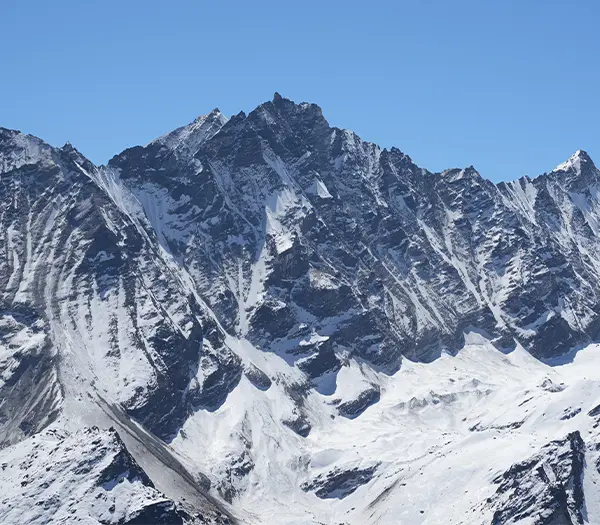
Nepal equates with high peaks. Mountaineering in the Himalayas gives a different experience. Through mountaineering, some rock faces in the Himalayas have steeper climbs that demand rock climbing skills, along with acclimatization and alpine techniques. Annapurna, Langtang, and Everest foothills areas lead adventurers.
Best Rock Climbing Locations in Nepal
Nepal also provides a variety of climbing sites ranging from easily accessed sites near Kathmandu to Pokhara and the remote Himalayas. Each area presents a range of unique features including the kind of rock and levels of difficulty.
Hattiban Outdoor Climbing
- Location: In Hattiban, which is not far from Kathmandu; just a short drive will get you there.
- Type: Sport climbing, bouldering
- Difficulty: Beginner to intermediate
- Rock Type: Granite cliffs with solid holds, natural cracks for trad practice
Hattiban is one of the favorite spots for rock climbers around Kathmandu, and it can be considered a good destination for both amateur and semi-professional climbers. Hattiban has a number of routes, which range from short to medium routes, thereby providing an ideal setting for climbers to work on their skills, ropes, and belayings in a natural setting. Hattiban, unlike a gym, provides a natural setting for rock climbers.
The location is very popular for being accessible and offering scenic beauty. The rock provides rock climbers with the opportunity of enjoying a sight of "forested hills, nearby villages, and peaks of far-off Himalayan ranges while putting them through rigorous training." Climbing groups from this area organize visits for rock climbers, and this is an excellent place for rock climbers to connect with each other as well as learn from experts.
Highlights of Hattiban Outdoor Climbing
- Easy outdoor climbing with safe routes for beginners
- Natural granite with routes for sport and trad climbing
- Breathtaking views of Kathmandu Valley and hills around it.
- Frequented by local climbing groups, assures a social and supportive environment.
Hattiban offers a great introduction to outdoor climbing in Nepal for a complete novice. If guided properly and safely, it can help gain confidence and experience before embarking on other, more challenging locations such as Dhulikhel or Pokhara.
Nagarkot Rock Climbing
- Location: Nagarkot which is 32 km east of Kathmandu Valley known for the sunrise view of the Himalayas.
- Type: Sport climbing, Bouldering
- Level: Beginner to intermediate
- Rock Type: Granite cliffs have a solid and weathered surface along with natural cracks.
One place in and around Kathmandu that has been popular for the breathtaking views it offers of the sun rising in the Himalayas is Nagarkot. However, it also makes a great holiday destination for those interested in rock climbing. The terrain here provides routes that range from easy to medium and enables a climber to experience the thrill of climbing on actual rocks amidst the picturesque green hills and the majestic mountains surrounding the place.
Climbing in Nagarkot involves technical training as well as the joy of exploring nature. The trails here range from single-pitch sport climbing to more moderate routes, offering climbers the chance to work on their skills, coordination, and fitness in an alpine manner. Guides can also be hired for those inexperienced in alpine climbing for safety and training purposes.
Highlights of Nagarkot Climbing
- Beginner and intermediate-friendly outdoor routes
- Granite cliffs with many sport and bouldering possibilities.
- Panoramic views of the Himalayas-Langtang and Ganesh Himal among others
- A peaceful and all-scenery climbing environment away from city noise
The perfect place for climbers looking to combine adventure with sightseeing, Nagarkot is ideal for climbers who want to combine adventure with sightseeing. Perfectly ideal for all those outdoor climbing beginners, it provides a taste of Nepal's natural beauty in a very safe and accessible manner.
Nagarjun Forest Reserve Rock Climbing
- Location: Nagarjun Forest Reserve, which is situated on the periphery of Kathmandu Valley, near Budhanilkantha
- Type: Sport climbing, bouldering
- Difficulty: Beginner to intermediate
- Rock Type: Granite and gneiss cliffs with natural cracks and slabs
Nagarjun Forest Reserve presents a peaceful climbing spot that lies amidst forest-covered hills. Nagarjun is unlike some of the popular climbing sites; the spot presents a peaceful setting that allows climbers to practice climbing without interruptions. The rock types at the climbing site vary; they are granite cliffs and natural rock slabs that are ideal for sport climbing and traditional climbing practices. Its proximity to Kathmandu makes it an ideal destination for a day out or a short climb. Climbers in particular appreciate this as they combine their climb with a short hike in the woods. It provides a great introduction for novice climbers as they build their confidence climbing real rock and experiencing the peaceful atmosphere that comes with being in nature.
Highlights of Nagarjun Forest Reserve Climbing
- "Quiet, scenic environment, away from the traffic of the city."
- Granite and gneiss rocks amenable to sport and traditional climbing
- Easy-to-follow routes that offer training in climbing methods
- Scenic forest trails & panoramic view of Kathmandu Valley
Nagarjun is preferred by climbers seeking a serene environment outside for training their abilities while appreciating nature in Nepal without the bustle associated with other climb destinations.
Kakani Rock Climbing
- Location: Kakani, about 32 km northwest of Kathmandu, represents one of the most panoramic centers of Himalayan ranges and Sub-tropical pine-forests.
- Type: Sport climbing, bouldering, beginner-friendly multi-pitch
- Difficulty: Beginner to intermediate
- Rock Type: Granite and gneiss cliffs with natural cracks and ledges
Kakani is a rather less famous climatic site near Kathmandu that offers a combination of adventure and tranquility. The area has solid granite cliffs with multiple routes for both beginners and the more accomplished climber, while individual bouldering sections can be used to focus on specific techniques. Situated on the side of a hill, it offers views of surrounding valleys and, when the day is particularly clear, distant Himalayan peaks, making every climb visually rewarding.
Visitors to Kakani can partake in everything from short single-pitch routes to slightly longer multi-pitch climbs. The quiet environment, put together with the natural pine forest, makes for a meditative and focused time of climbing. Local guides and climbing clubs do occasionally make trips out here, so it's friendly for beginners but offers opportunities to improve technique.
Highlights of Kakani Climbing
- Outdoor Climbing Routes Suitable for Beginners/Intermediate Climbers
- Granite and gneiss rock outcrops with natural fissures and ledges
- Breathtaking views of the Kathmandu Valley and the ranges of the Himalayas
- Quiet forested area for concentrated climb training
Kakani is ideal for rock climbers who want to climb in a laid-back and easy setting that is close to the city of Kathmandu and gain the opportunity to improve their rock climbing skills amidst nature's beauty.
Bimal Nagar Rock Climbing
- Location: Bimal Nagar, near Pokhara in the Kaski District, roughly 8-10 km away from Pokhara.
- Type of Climbing: Sport Climbing, Trad Climbing
- Difficulty: Beginner to advanced
- Rock Type: Limestone cliffs that feature natural holes.
Bimal Nagar is one of Pokhara’s most popular outdoor climbing sites and home to many adventurers in Nepal as well as foreign nationals. There are limestone cliffs here which have been equipped with routes which are suitable for both novices and professionals. The cliffs provide opportunities for training in techniques such as route-finding.
The location provides great views of the surrounding Pokhara Valley, with glimpses of Machapuchare, otherwise known as Fishtail Mountain, and the Annapurna range-one could say not just a climb but an eye-sighting treat. Climbers often combine their climbing sessions with hiking in nearby trails or going on other adventure activities in Pokhara, such as paragliding and trekking.
Highlights of Bimal Nagar Climbing
- Variety of routes for beginners through advanced climbers.
- Limestone cliffs ideal for sport, trad, and bouldering.
- Spectacular views of Pokhara Valley and Annapurna peaks
- Quiet natural setting, fewer people than a city climbing area would have
Bimal Nagar is an ideal destination for those adventure-seekers interested in both challenge and scenic value.Being easily accessible from Pokhara and with many routes to climb, it definitely makes the cut as an essential stop for any serious Nepalese rock climbing enthusiast.
Indoor Climbing and Training Centers in Kathmandu
Kathmandu Sport Climbing Center (KSNC)
The Kathmandu Sport Climbing Center (KSNC) is a specialized indoor facility that focuses on training people to be competent climbers as well as safe ones. It has world-class bouldering, top-rope, and lead-wall systems, which can be used by anyone, from beginners to experienced climbers. KSNC also provides training sessions, skill development sessions, and competitive training sessions for those interested in taking up mountain climbing as a sport after gaining experience from this place before actually attempting to scale mountains in Nepal.
Pasang Lhamu Sports Climbing Centre
The Pasang Lhamu Sports Climbing Centre, Kathmandu, is supported by the government as an indoor climbing facility. Majorly, it has focused more on training and athletic development. It has basic sport climbing walls suitable for beginners and aspiring competitive climbers, with an emphasis on technique, discipline, and safety.It has played an important role in promoting climbing as a sport in Nepal and is often used for training programs and national-level activities.
Astrek Adventure Climbing Center
Astrek Adventure Climbing Center offers a combination of indoor climbing and small-scale outdoor climbing, providing a well-rounded training ground for rock climbers of every level. The indoor climbing walls are variable, catering to every skill level, and the outdoor area allows rock climbers to climb on real rock, providing hands-on training that could be beneficial for rock climbers who are new to the sport and are about to face more challenging rock climbing and trekking trails in Nepal.
Cripmanzee Adventure Hub
Cripmanzee Adventure Hub is a community-centered gym aimed at creating a supportive climbing community in the vicinity of Kathmandu. The center, equipped with different bouldering walls, climbing classes, and activities, is geared entirely towards beginner and intermediate climbers looking to enhance their skills. The climbing center promotes social interactions among climbers, giving them the opportunity to learn not just from instructors but from fellow climbers as well. Cripmanzee is ideal for climbers looking to develop confidence on indoor walls before practicing on rock formations.
Ascend Climbing
The Ascend Climbing and Bouldering is among the best indoor climbing spots in Kathmandu and suitable for both beginner and intermediate level climbers. It has bouldering walls as well as top rope climbing routes where one gets the opportunity to learn the various ways of climbing. The Ascend Climbing and Bouldering employs qualified instructors to take clients through the training process of teaching them how to develop their strength and balance while climbing. This is the best place to visit especially for those seeking to learn how to climb before going to the actual mountain.
Conclusion
Rock climbing in Nepal presents a thrilling combination of adventure, ease of access, and scenery that can be both appealing and rewarding to rock climbing practitioners regardless of their levels of ability. Despite the fact that rock climbing in Nepal is still a less common adventure activity in the Himalayas, the amateurs can still practice the sport in indoor climbing gyms in Kathmandu. In addition to that, the outdoors offer a variety of climbing sites ranging from relatively difficult rock walls in the valleys to the more challenging limestone cliffs in the Pokhara region.