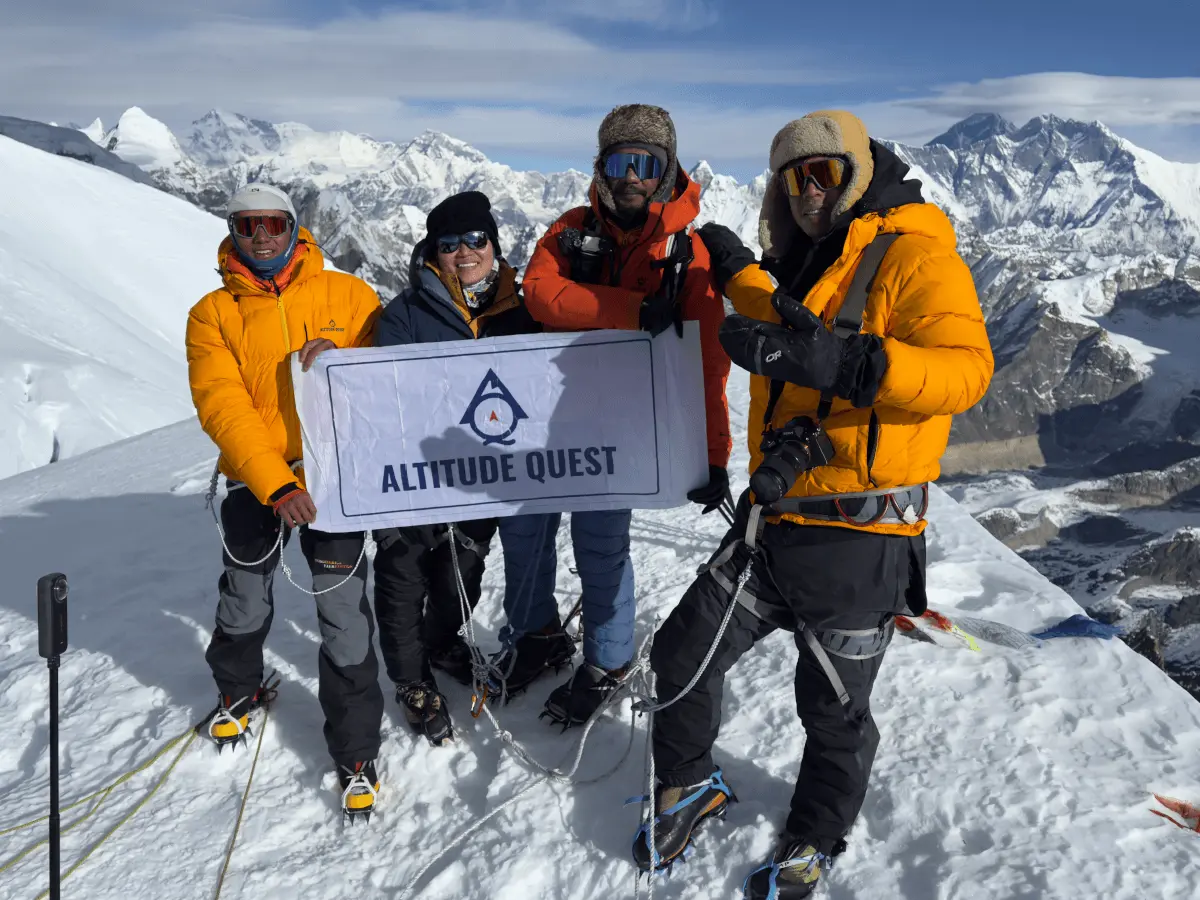
Signature Himalayan Expedition: Lobuche, Island & Mera Peak

tripadvisor50 Reviews in TripAdvisor
google10 Reviews in Google Reviews
Trip Facts
  • Country Nepal
  • Region Everest Region
  • Trip Grade Strenuous
  • Duration 25 Days
  • Maximum Altitude Mera Peak (6,476m)
  • Group Size 1-10
  • Starts Lukla
  • Ends Ramechhap
  • Activities Trekking and Climbing
  • Best Time Spring and Autumn

Signature Himalayan Expedition: Lobuche, Island & Mera Peak is one of the best and most comprehensive climbing and trekking adventures in Nepal. This climbing and trekking itinerary includes three famous peaks as well as one of the best high altitude passes in the entire country. Designed for experienced trekkers and aspiring mountaineers, this 25-day expedition takes you beyond traditional trekking routes into the heart of the Everest Himalayas, where technical climbing, glacier travel, and breathtaking landscapes come together in one extraordinary journey.

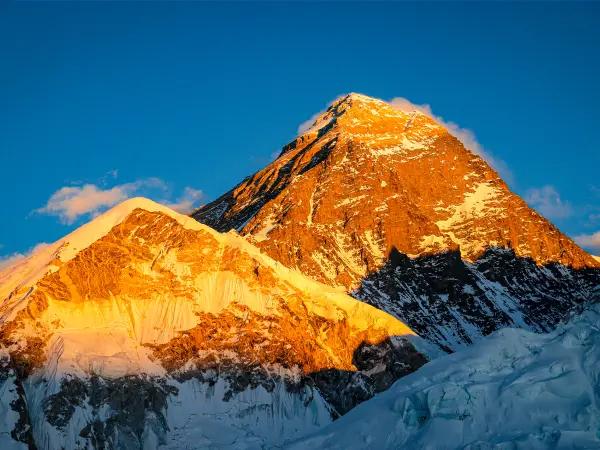
Starting with a remote approach through Hinku Valley, the expedition begins with the ascent of Mera Peak (6,476m), which is the highest trekking peak in Nepal. Its summit offers one of the best panoramas in the entire Himalayan range with views of five of the world's highest mountains: Everest, Lhotse, Makalu, Cho Oyu, and Kanchenjunga.

Instead of retracing the steps back down to Hinku Valley, you continue with the challenging and highest pass across Amphu Laptsa (5,800m). It's not an easy crossing but a real alpine pass that connects remote Hinku Valley with the famous Khumbu region. Here, climbers learn how to use fixed ropes, navigate on glaciated terrain and climb steep snow slopes, this section is all about expedition style mountaineering and amazing Himalayan views never seen by ordinary trekkers.

Next, the expedition heads toward Island Peak (6,189m), one of the most acclaimed peaks in Nepal. With its attractive glacier approach and thrilling summit ridge, Island Peak offers a great chance to hone your climbing skills amid some of the biggest mountains in the Everest region.

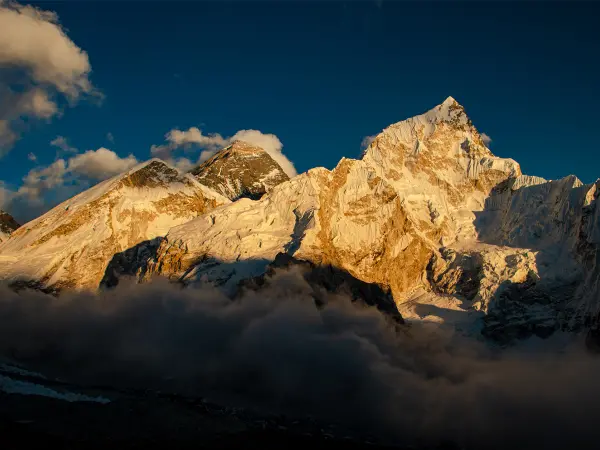
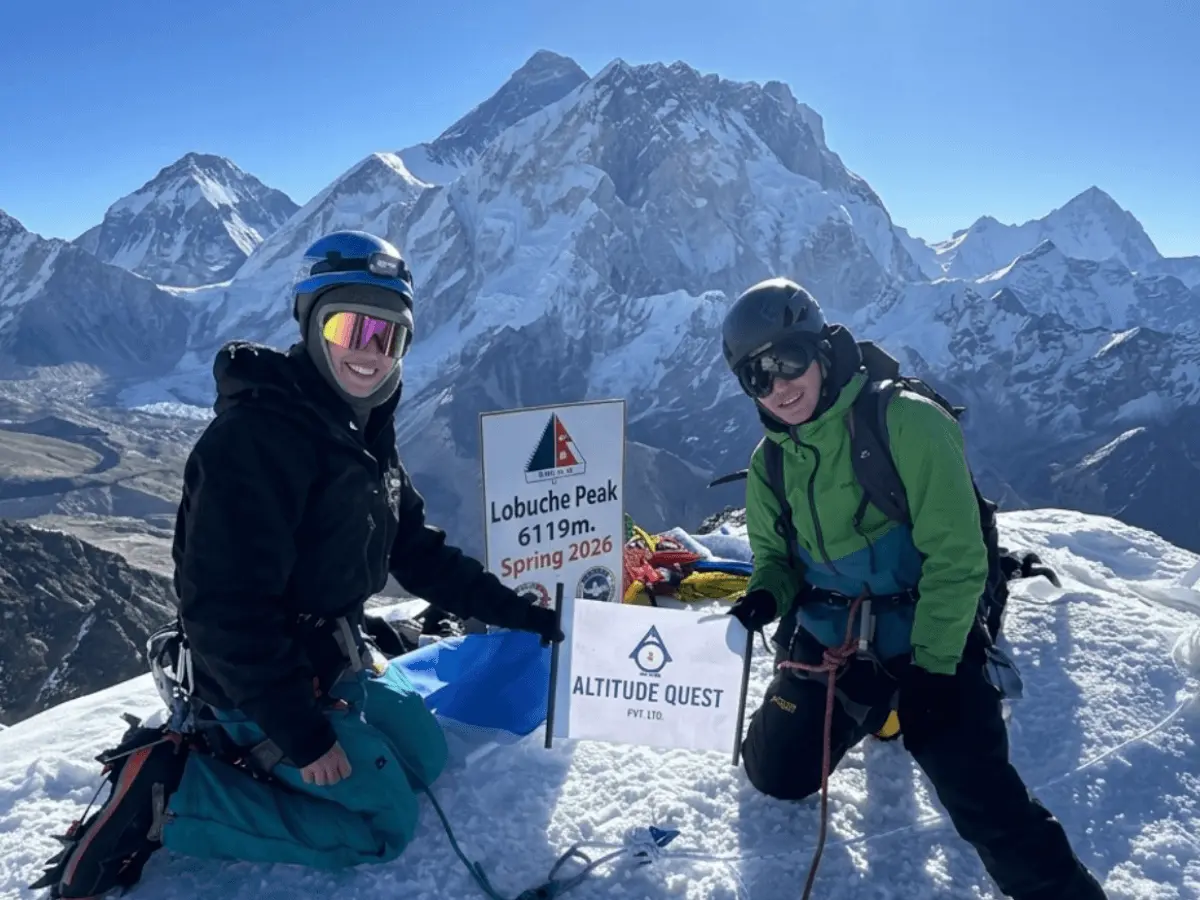
Finally comes Lobuche East Peak (6,119m). This peak is considered one of the best trekking peaks that climbers can tackle for a more technical climb involving different terrains like snow slopes and ridges, culminating in a breathtaking summit overlooking Mount Everest, Mount Nuptse, Ama Dablam, Pumori and many other peaks in the surrounding area.

With a well-thought out schedule of acclimatization days, professional climbing training and guidance from seasoned expedition leaders, all the necessary measures will be taken to ensure safety and success on this adventure. The comfortable teahouses in the trekking part and high camps in the summit attempts will make up a balanced expedition.

No matter whether you wish to prepare yourself for some higher 7,000m or even 8,000m expeditions in the future or just accomplish one of the most rewarding climbs in Nepal, this Signature Himalayan Expedition with Altitude Quests is the best option for a trekking peak expedition.

Highlights of the Mera, Island & Lobuche Peak Expedition

  • Climb Mera Peak (6,476m), the highest trekking peak in Nepal.
  • Ascend the famous Island Peak (6,189m).
  • Climb the technical Lobuche East Peak (6,119m).
  • Cross the challenging and highest pass in Nepal: Amphu Laptsa Pass (5,800m).
  • Enjoy stunning views of Everest, Lhotse, Makalu, Cho Oyu, and Kanchenjunga.
  • Travel the Hinku Valley and the world-renowned Everest Region.
  • Learn how to trek on glaciers, climb on ropes and alpine climbing skills.
  • Specific climbing training prior to summiting climbs.
  • Well-designed acclimatization program to ensure maximum safety.
  • Guided by professional climbing guides either IFMGA certified or licensed by NMA.
  • Sleep in the traditional Sherpa settlements of Khare, Dingboche, Namche Bazaar and Tengboche.
  • Enjoy unique ecosystems of the Himalayas from rhododendron forests to high alpine glaciers.
  • Ideal preparation for more advanced Himalayan expeditions.
  • Unique expedition with trekking, alpine climbing and technical mountaineering.
  • One of Nepal's premier multi-peak climbing programs.

Best Time to for the Three Peak Himalayan Expedition in Nepal

The Signature Himalayan Expedition is ideal during Nepal’s two main climbing seasons, which are spring (April-May) and autumn (September to November).

During the spring season, there is good snow coverage, warmer temperatures in the high altitudes and beautiful rhododendrons covering the low lying valleys. The fresh snow coverage makes good climbing conditions on Mera Peak, Island Peak and Lobuche East while ensuring safe glacier travel through the Amphu Laptsa Pass.

The autumn season presents a clear blue sky and dry climate, making good mountain visibility and solid snow coverage. The cool climate ensures that climbers perform well during the summit day.

Considering the nature of this expedition, it is important not to travel during the monsoon and winter seasons.

Difficulty of the Three Himalayan Summit Experience

The Signature Himalayan Expedition: Lobuche, Island & Mera Peak is an exciting journey through the high peaks of the Himalayas that involves scaling three peaks of 6,000 meters each, glacier crossings, and passing of Amphu Laptsa Pass at 5,800 meters elevation over 25 days. During this period, participants spend a lot of time above the height of 5,000 meters when physical challenges become even harder because of low altitude, cold weather, and strenuous hiking days.

Summits may take up to 10-12 hours when climbers should have good stamina and be able to use technical gear like crampons, harnesses, fixed ropes, and ice axes. High altitude trekking experience is necessary while mountain climbing is useful but not compulsory since there is a special training in Khare for climbers' skills before the first summit.

This expedition will be perfect for professional trekkers/climbers wishing to move on to technical Himalayan mountaineering. With enough fitness and acclimatization, this journey becomes safe and rewarding.


Signature Himalayan Expedition: Lobuche, Island & Mera Peak Itinerary

Day 01-2Arrival at Kathmandu (1,300m/4,264ft), Expedition Briefing, Gear Check & Welcome Dinner

You will be received at Tribhuvan International Airport by a member of Altitude Quest and transferred to your hotel in Kathmandu. You can then rest or stroll through the bustling streets of Thamel famous for their trekking stores and cafés. During these days, you will be well-prepared for your upcoming expedition.

Your lead climbing guide will brief you about the route, safety procedures, weather and climbing strategies. Your gear check will be done, during which you can buy or rent any missing items. At night, you will join other climbers for a welcome dinner arranged by Altitude Quest. This dinner marks the beginning of your once-in-a-lifetime Himalayan adventure. Night halt in Kathmandu.

Day 03Flight to Lukla via Ramechhap, Hike to Chutanga (3,060m/10,040ft): 6 Hours

  • Max Altitude:3,060 m
  • Meals:Breakfast, Lunch and Dinner
  • Accommodation:Local Teahouse
  • Duration:6 hours
  • Mode of Transportation:Jeep and Flight

After an early-morning drive to Ramechhap Airport, you will fly in a mountain plane to Lukla, the gateway to Everest region. After landing, you will be met by the rest of the trekking team before setting off on a less popular path into the Hinku Valley. Abandoning the overcrowded trek to Everest Base Camp, the route takes you along stunning trails in pine and rhododendron forests and streams until you reach the small settlement of Chutanga. The campsite, surrounded by thick forest and snow-capped mountains, is the perfect start for the adventure that lies ahead. You will have the opportunity to acclimatize gradually.

Day 04Trek from Chutanga to Tuli Kharka (3,900m/12,795ft): 5-6 Hours

  • Max Altitude:3,900 m
  • Meals:Breakfast, Lunch and Dinner
  • Accommodation:Local Teahouse
  • Duration:5-6 hours

Today’s hike starts with an uphill climb towards Zatrwa La Pass, the first major point of interest during the expedition. While hiking above the tree line, magnificent views of the majestic mountains that surround the area start to appear. Following the passing of Zatrwa La Pass, the hike continues with a descent into the remote Hinku Valley. Along the way through open alpine scenery and mountainous areas, Tuli Kharka will be reached. Contrasted to other popular routes to Mount Everest, this path is more tranquil and wild. Night in a tea house in Tuli Kharka.

Day 05Tuli Kharka to Kothe (3,600m/11,808ft): 6-7 Hours

  • Max Altitude:3,600 m
  • Meals:Breakfast, Lunch and Dinner
  • Accommodation:Local Teahouse
  • Duration:6-7 hours

The route goes down through tranquil rhododendron and pine forests and along the banks of Hinku River. With little population of people in the region, your walk is going to be amidst nature that comprises the beautiful Hinku Valley, where you can find varied flora and fauna. You’ll get to see stunning views of waterfalls, ridges covered with forests, and snow-capped mountains. The path finally ends at the tiny settlement of Kothe which is located next to the river and bordered by tall mountains. This is an ideal place for those climbers on their way to climb Mera Peak.

Day 06Trek from Kothe to Thangnang (4,350m/14,270ft): 5-6 hours

  • Max Altitude:4,350 m
  • Meals:Breakfast, Lunch and Dinner
  • Accommodation:Local Teahouse
  • Duration:5-6 hours

Our trek today involves following the Hinku River deep into the valley as the surrounding scenery changes from lush forest to alpine terrain. Along the way, there will be yak pastures, old grazing grounds, and some stone shelters to mark our path as we get closer and closer views of Mera Peak, Kusum Kanguru, and other nearby peaks. Though we spend only a few hours walking, the increase in altitude is very significant, making this a valuable acclimatization day for us. After lunchtime, we reach the small village of Thangnang, tucked away in the shadow of massive mountains and glaciers.

Day 07Trek from Thangnang to Khare (5,045 m/16,486 ft): 3-4 hours

  • Max Altitude:5,045 m
  • Meals:Breakfast, Lunch and Dinner
  • Accommodation:Local Teahouse
  • Duration:3-4 hours

As you climb on, your path will lead you through rocky, glacier-ridden areas towards the last permanent settlement before Mera Peak. Once the vegetation begins to fade away, views of the snow-capped mountains along with the Mera Glacier will become an important part of your surroundings. The short trek of the day, despite having no challenges in terms of the number of miles hiked, is nonetheless quite strenuous due to the huge altitude gain. You will stay at the teahouse in Khare for the night.

Day 08Acclimatization and Climbing Practice at Khare

  • Max Altitude:5,045 m
  • Meals:Breakfast, Lunch and Dinner
  • Accommodation:Local Teahouse
  • Duration:Full day

For improved acclimatization and preparation for future climbs, you will dedicate an entire day to Khare. Post breakfast, the climbing guides will train you through practical exercises on snow slopes near Khare, covering various mountaineering techniques. You will learn how to use the crampons, ice axes, harness, ascender, descender, and fixed ropes as well as movement on the snow and glacier surfaces. The training process will also enable guides to gauge each climber’s level of comfort and safety with their gear prior to the summit. For the rest of the day, you can relax, drink plenty of water, and prepare for the next camp. Over-night in Khare teahouse.

Day 09Hike to Mera High Camp (5,800m/19,029ft)

  • Max Altitude:5,800 m
  • Duration:4-5 hours

This day is the start of your climb as you hike to Mera High Camp. Your path takes you across Mera Glacier, and depending on the amount of snow, crampons might be necessary. As you trek, you will be surrounded by the incredible Himalayan mountain range and will get to enjoy views of many mountains, including Everest, Lhotse, Makalu, Cho Oyu, and others. At the camp, the mountaineering crew sets up camp and discusses plans for summiting tomorrow. After dinner, you will prepare for your climb in the night. 

Day 10Climb to Summit of Mera Peak (6,476m/21,247ft) & Hike to Kongma Dingma: 10-12 Hours

  • Max Altitude:4,850 m
  • Meals:Breakfast, Lunch and Dinner
  • Duration:10-12 hours

The summit day starts very early as you head towards the highest trekking peak in Nepal under your headlamp. After ascending through gradual snow slopes to the summit, you will be treated to spectacular views from the top of the five tallest mountains in the world: Everest, Lhotse, Makalu, Cho Oyu, and Kanchenjunga. After completing this fantastic journey, you will descend down to High Camp from where you will continue on through the valley towards Kongma Dingma. This will be perhaps the longest and most difficult day of your journey. Overnight stay in a lodge/camp in Kongma Dingma.

Day 11Contingency Day

  • Max Altitude:4,850 m
  • Meals:Breakfast, Lunch and Dinner
  • Duration:Full Day

A further day has been incorporated into the schedule to allow for contingencies in case of bad weather or any other situation that may arise while climbing Mount Mera. Conditions can change very fast on mountain tops and this extra day will help the team leader to make appropriate decisions without feeling pressurized by time. If the contingency day does not have to be used, it can be spent recovering before moving on to the technical climb of Amphu Laptsa Pass. 

Day 12Trek from Kongma Dingma to Seto Khola : 5-6 Hours

  • Max Altitude:5,035 m
  • Meals:Breakfast, Lunch and Dinner
  • Accommodation:Local Teahouse
  • Duration:5-6 hours

Departing Kongma Dingma, today’s walk is through an isolated part of the Hinku Valley en route to Seto Khola. The walking track will be along glacial streams, rock-filled moraines, and alpine terrain with little to no civilization in sight. Walking surrounded by tall peaks and pristine mountain scenery, you’ll slowly climb in altitude while gearing up for the challenging pass across the Amphu Laptsa Pass in the next few days. At Seto Khola, you’ll camp for the night and have a relaxing evening in one of the most isolated areas of the trekking journey.

Day 13Trek From Seto Khola to Amphu Laptsa Base Camp (5,400m/17,717ft): 5-6 Hours

  • Max Altitude:5,400 m
  • Meals:Breakfast, Lunch and Dinner
  • Accommodation:Local Teahouse
  • Duration:5-6 hours

Today's walk will bring you closer to the most difficult high altitude pass in Nepal. The path is quite difficult, going through glaciers, rock and snow covered terrains as you head towards Amphu Laptsa Base Camp. The views become more breathtaking and spectacular, with huge glaciers, ice structures and impressive peaks of the Himalayas filling the entire scenery. At the base camp, the expedition members set up camp and have a brief discussion about the next day's crossing. You prepare your climbing gear and discuss safety precautions. Sleeping at Amphu Laptsa Base Camp.

Day 14Crossing of Amphu Laptsa Pass (5,800m / 19,029 ft) and Trek to Chukhung (4,410m / 14,468 ft)

  • Max Altitude:4,410 m
  • Meals:Breakfast, Lunch and Dinner
  • Accommodation:Local Teahouse
  • Duration:9-10 hours

This will be one of the most challenging days on the entire trip. You will have an early departure and begin trekking up to the snow-covered Amphu Laptsa Pass. You will need to use ropes, crampons, and work together as a team to cross the pass. At the top of Amphu Laptsa Pass, you will be rewarded with spectacular views of Himalayas and glaciers, before descending into the legendary Khumbu Valley. This trail will take you down to Chukhung, which lies surrounded by the impressive faces of mountains Lhotse, Nuptse, and Ama Dablam.

Day 15Trek to Island Peak Base Camp (5,100m/16,732ft): 3-4 Hours

  • Max Altitude:5,100 m
  • Meals:Breakfast, Lunch and Dinner
  • Accommodation:Local Teahouse
  • Duration:3-4 hours

Departing from Chukung, you will hike up to Island Peak Base Camp, passing through steep alpine terrain and glaciers. The hiking path will provide breathtaking views of Lhotse, Ama Dablam, Baruntse, and other Himalayan peaks in the region that you are going to climb. Once at the camp, the expedition crew will set up the camp, while the guides perform a training session for climbing techniques and strategies for summiting Island Peak. Overnight at Island Peak Base Camp.

Day 16Summit Day of Island Peak (6,189m/20,305ft) & Return Down to Dingboche: 10-12 Hours

  • Max Altitude:4,400 m
  • Meals:Breakfast, Lunch and Dinner
  • Accommodation:Local Teahouse
  • Duration:10-12 hours

In the early morning hours, you’ll start climbing to Island Peak using trails that will take you from rock to snow and glaciated terrain. Making use of fixed ropes when required, you’ll approach the exposed summit ridge and then finally reach the magnificent summit point, which offers stunning views of Lhotse, Makalu, Baruntse, Ama Dablam, and many other mountains. On returning from the summit and after celebrating yet another successful peak of the expedition, you’ll return to the base camp and then head to the Sherpa village of Dingboche. Accommodation overnight in a teahouse in Dingboche.

Day 17Recovery Day at Dingboche

  • Max Altitude:4,400 m
  • Accommodation:Local Teahouse
  • Duration:Full Day

After the successful Island Peak Summit, it is now a recovery day before the next and final climb. You may use this day for resting, exploring the village, or going for a short walk around the area in order to continue the process of acclimatization. Your body needs a day for recovery, and this recovery day would help you in gathering strength for the final climb of Lobuche East Peak. You will also get an update on the weather forecast for the next day. Sleeping in a teahouse at Dingboche.

Day 18Trek from Dingboche to Lobuche High Camp (5,200m/17,060ft): 5-6 Hours

  • Max Altitude:5,200 m
  • Meals:Breakfast, Lunch and Dinner
  • Duration:5-6 hours

On completing your breakfast meal, the expedition begins from Dingboche and follows a trail to Lobuche, then veers to a steeper path that takes one to Lobuche High Camp. As you proceed higher, the rugged scenery increases and comprises steep terrain and glacial areas as well as views of the Himalayan peaks of Nuptse, Pumori, Ama Dablam, among others. Once you get to High Camp, the group camps out as the guides do a final equipment check and preparation for the next day's climb. The day ends with rest and re-hydration.

Day 19Summit Lobuche East Peak (6,119m/20,075ft) & Trek Down to Lobuche Village (4,940m/16,207ft)

  • Max Altitude:4,940 m
  • Meals:Breakfast, Lunch and Dinner
  • Accommodation:Local Teahouse
  • Duration:10-12 hours

Your final day for summiting starts long before the sunrise as you will be moving up steep rocky ridges, snowy slopes, and glaciated areas all the way up to the summit of Lobuche East Peak. The climb today is technically more difficult than the other summits you will do in this journey. You will reach the summit and be rewarded with a panoramic view of Mount Everest, Lhotse, Nuptse, Pumori, Ama Dablam, and many other mountains around. After celebrating your third summit of the Himalayas, you will trek down to your base camp.

Day 20Contingency Day

Another contingency day has been provided for as a precaution against any unexpected problems that may arise with regards to the climbing schedule of Lobuche East. This provides the mountaineer enough time to rest and plan carefully as high altitude mountaineering demands one’s patience. Should there be no need of using an additional day, then one gets the chance of recovering while appreciating the beauty of the mountains before starting the journey back down the Khumbu valley. Night in Lobuche Village.

Day 21Trek Down to Tengboche from Lobuche Village: 6-7 Hours

  • Max Altitude:3,867 m
  • Meals:Breakfast, Lunch and Dinner
  • Accommodation:Local Teahouse
  • Duration:6-7 hours

After having achieved everything on the list of your climbs, you will now walk down through the heart of the Khumbu Valley. Walking through places which are already familiar to you along with their surroundings, you will finally be descending through Pheriche into rhododendron forests as you approach Tengboche. On the way down, you can also relish amazing sights of Everest and Ama Dablam among other mountains from a different point of view. You can take some time to visit Tengboche Monastery, the spiritual heart of Khumbu, on arriving there.

Day 22Trek from Tengboche to Namche Bazaar: 5–6 Hours

  • Max Altitude:3,400 m
  • Meals:Breakfast, Lunch and Dinner
  • Accommodation:Local Teahouse
  • Duration:5-6 hours

This day's trek down will take you through stunning forests of pine, fir, and rhododendron as you cross a series of suspension bridges above the Dudh Koshi River. You will walk past traditional Sherpa villages and get some last glimpses of Everest and surrounding peaks before reaching Namche Bazaar, a busy mountain town where there are plenty of welcoming cafes, bakeries, and local stores after all those weeks in the mountains. As the elevation drops, the temperature rises, providing a good chance to rest.

Day 23Trek from Namche Bazaar to Lukla: 6–7 hours

  • Max Altitude:2,860 m
  • Meals:Breakfast, Lunch and Dinner
  • Accommodation:Local Teahouse
  • Duration:6–7 hours

For your final trekking day, follow the same familiar path as you walk along the Dudh Koshi River, cross famous suspension bridges, pass by picturesque villages, until you arrive at Lukla. Take time to ponder on the amazing experience that you have had from the secluded valleys and challenging mountain passes to conquering peaks like Mera Peak, Island Peak, and Lobuche East. At Lukla, celebrate the end of your trip with your guides, porters, and fellow mountaineers. Stay overnight at the teahouse in Lukla.

Day 24Flight from Lukla- Ramechhap and to Kathmandu

  • Max Altitude:1,350 m
  • Meals:Breakfast, Lunch and Dinner
  • Accommodation:3 star accommodation

Depending on weather conditions, today you'll have a flight from Lukla to Ramechhap and see one more amazing bird's eye view of the snowy Himalayan range. After the flight, you'll be driven back to Kathmandu to check into your hotel and finally experience some city amenities after many weeks spent in the mountains. In the afternoon, you'll have the whole day free to buy some souvenirs, relax or celebrate your achievements with your companions. Accommodation at a hotel in Kathmandu.

Day 25Depart from Kathmandu

And your fantastic Signature Himalayan Adventure is coming to a close. In accordance with your international departure flight, a member of our Altitude Quest team will escort you to the Tribhuvan International Airport for your onward trip. As you exit Nepal, you will leave with the proud accomplishment of conquering three great Himalayan mountains, as well as memories of stunning scenery and outstanding cooperation from one of Nepal’s most esteemed alpine expeditions. We look forward to welcoming you back for another amazing adventure in the Himalayas with Altitude Quest in the future.

Still Confused
Every adventurer is different- that’s why we customize each Nepal trek or tour to match your requirements, time, budget, fitness level, and group size. Contact us today and let’s design the Himalayan journey that’s right for you.

Signature Himalayan Expedition: Lobuche, Island & Mera Peak Cost Details

Includes

  • Airport pick-up and final departure transfer in Kathmandu.
  • Two nights' accommodation in a comfortable hotel in Kathmandu on a twin-sharing basis.
  • Welcome dinner with traditional Nepali cuisine.
  • Expedition briefing and complete gear inspection before departure.
  • Domestic transportation between Kathmandu and Ramechhap by private tourist vehicle.
  • Round-trip domestic flights between Ramechhap and Lukla.
  • All required trekking permits and national park entry permits.
  1. Mera Peak climbing permit.
  2. Island Peak climbing permit.
  3. Lobuche East Peak climbing permit.
  4. Khumbu Rural Municipality entrance permit.
  5. TIMS card (if required by current regulations).
  • Experienced, government-licensed trekking guide.
  • Professional NMA-certified climbing guide(s) during climbing sections.
  • Assistant climbing guides for larger expedition groups.
  • One porter for every two climbers (maximum 20–25 kg combined luggage).
  • All meals (breakfast, lunch, and dinner) during the trekking and expedition period.
  • Seasonal fresh fruits served after dinner whenever available.
  • Tea house accommodation throughout the trekking route.
  • High camp accommodation during summit pushes.
  • Group climbing equipment including fixed ropes where required.
  • Group climbing hardware including anchors and safety equipment.
  • Group first-aid medical kit carried by the expedition leader.
  • Pulse oximeter for regular altitude health monitoring.
  • Supplemental emergency oxygen available for high camps and emergencies.
  • Satellite phone or emergency communication device carried by the expedition team.
  • Climbing skills training and rope practice at Khare before the first summit attempt.
  • All camping logistics required at designated high camps.
  • Kitchen staff and support crew where camping is necessary.
  • Staff wages, meals, accommodation, insurance, and transportation.
  • Government taxes and official service charges.
  • Expedition completion certificate from Altitude Quests.

Excludes

  • International airfare to and from Nepal.
  • Nepal entry visa fees.
  • Travel and high-altitude rescue insurance (mandatory).
  • Personal climbing equipment and technical gear.
  • Personal trekking equipment and clothing.
  • Rental charges for climbing equipment (available in Kathmandu).
  • Meals in Kathmandu except the welcome dinner.
  • Personal snacks, chocolates, and energy bars.
  • Bottled, boiled, or filtered drinking water during the trek.
  • Hot showers, laundry services, and battery charging at tea houses.
  • Wi-Fi and internet services during the trek.
  • Personal expenses and shopping.
  • Alcoholic beverages and soft drinks.
  • Tips for guides, climbing guides, porters, and expedition staff.
  • Costs arising from flight delays, cancellations, or itinerary changes due to weather or unforeseen circumstances.
  • Additional hotel nights in Kathmandu due to early arrival, delayed departure, or rescue situations.
  • Personal medical expenses and evacuation costs not covered by insurance.
  • Any services not specifically mentioned under "Inclusives."

Essential Information

Expedition Overview & Climbing Strategy

The Signature Himalayan Expedition is meticulously organized in a way that allows climbers to acclimatize, remain safe and successfully summit the highest mountains. Instead of starting from the hardest mountains, the expedition starts with climbing Mera Peak (6,476m) situated in the distant Hinku Valley where climbers can start their acclimatization process and become comfortable with snow/glacier climbing.

Once having reached the summit of Mera Peak, climbers proceed across a difficult pass called the Amphu Laptsa (5,800m), which lies between the Hinku Valley and the Khumbu region. This part of the expedition prepares climbers for harder mountaineering before moving to Island Peak (6,189m) and then to Lobuche East (6,119m) where the most technically challenging part of the expedition awaits.

Technical Climbing Experience Needed

This journey is designed for experienced hikers and adventure climbers who want to venture into technical mountaineering in the Himalayas. It is highly desirable to have some experience hiking at an altitude greater than 4,500 to 5,000 meters, and it is very advantageous to have some experience in using mountaineering tools like crampons, harnesses, and ice axes.

Expert climbing experience is not necessary, but climbers should be physically fit, mentally tough, and capable of hiking long distances on mountains. The climbers should also be at ease hiking on glaciers, snow slopes, rock faces, and high mountain passes using a daypack.

Climbing Training Prior to the Expedition

Prior to the summit attempts, there is a climbing training for the expedition where climbing training will be done for the participants using the services of experienced climbing guides to make sure that everyone is familiar with the climbing equipment and procedures involved in the expedition.

The training involves learning how to use crampons, ice axes, climbing harness, helmets, ascenders, descenders, and fixed ropes, practicing rope techniques, glacier travel, self-arresting technique, ascent and descent of fixed lines, and communication while climbing. This process prepares climbers mentally and physically to safely ascend Mount Mera, Island Peak, Lobuche East, and to pass through Amphu Laptsa Pass.

Acclimatization and Altitude Control

Acclimatization is one of the key elements that contribute to the success of the expedition above 6,000 meters. The itinerary has been thought out in such a way as to provide gradual increase of the altitude, short trekking days at high altitudes, acclimatization days and contingency days in order to allow the body to adjust itself naturally to lower amounts of oxygen.

The guides pay close attention to the condition of each of the climbers by observing their health and checking their blood oxygen levels on the pulse oximeter. Proper hydration, nutrition and constant pace of trekking will be provided as well.

Expedition Safety and Emergency Support

Safety is of utmost importance during the entire expedition process. The team of Altitude Quests includes professional guides with good knowledge of the Everest area and experience of high altitude rescue operations as well as mountaineering techniques.

Altitude Quests take along all necessary equipment such as first-aid kits, emergency oxygen, pulse oximeter, and satellite phones that are needed to operate in remote locations without access to mobile network services. At every step the guides consider weather conditions, safety of the path, and climbers' health conditions to make their decision about summiting.

Weather, Summit Windows & Contingency Days

Weather in the Himalayan range can become unpredictable very quickly at elevations higher than 5,500 meters where climbers face strong winds, precipitation, and low visibility. Because of this, only during certain weather windows will the climbs be attempted as chosen by the expedition leader.

The itinerary provides two contingency days which allow for adjustment due to weather conditions, flight delays, or the need for extra acclimatization days. The possibility of contingency days allows for an excellent opportunity to achieve all three summits with safety assured.

Important Personal Climbing Gear

Each climber must have proper clothing and gear able to function in extreme conditions. Insulated mountaineering boots, crampons, mountaineering harness, helmet, ice axe, ascenders, descenders, locking carabiners, trekking poles, down jacket, expedition gloves, goggles, and sub-zero sleeping bag are necessary for climbers to ascend to high altitude.

Layering systems, waterproof clothing, headlamps with extra batteries, personal medications, hydration systems, are just as necessary for climbers' safety and comfort. All technical gear may be rented in Kathmandu.

Training Suggestions and Physical Preparation for Everest Three Peaks Expedition 

Preparation for this journey must start from three to six months prior to the expedition date. An effective training schedule which incorporates exercises that aim to increase cardiovascular fitness, leg power, core stability, and physical endurance is very essential in improving your performance during your ascent to high altitudes.

Some of the best exercises that can enhance physical endurance include hiking with a heavy load backpack, stair climbing, trail running, cycling, swimming, and strength training. It is important to note that multi-day hikes and practicing trekking equipment are some other great suggestions for training purposes.

Why choose this Signature Himalayan Expedition with Altitude Quests?

Signature Himalayan Expedition is considered to be one of the most prestigious mountain expeditions offered by Nepal, which consists of Mera Peak, Island Peak, and Lobuche East combined into a single well-organized expedition. What makes the expedition more exciting than any other peaks expedition is that the expedition comprises not only the climbs to the mentioned peaks but also the passage through Amphu Laptsa Pass.

Providing professional climbing guides, thorough skills training, well-planned acclimatization, excellent logistics, and prioritizing climbers' safety, Altitude Quests offers its guests all that is necessary for making an attempt at conquering three unique Himalayan peaks.

Signature Himalayan Expedition: Lobuche, Island & Mera Peak FAQs

Altitude Quests is known for organizing small group climbs in the Himalayas with professional climbing guides, who have in-depth knowledge about the challenges involved in climbing multiple peaks. With us, you can be sure that the logistics of the expedition are well-thought-of, and we will give our best efforts to make your expedition memorable and successful.

No expedition company in the world guarantees a summit. At Altitude Quests, all the decisions made during the course of the expedition are based on the safety, weather and well-being of the climbers. Though our itinerary is meticulously designed to offer maximum chances of summiting, the expedition leader might change or even cancel the summit attempts depending upon the weather and other conditions.

Yes, besides regular group departures, at Altitude Quests we also offer completely customized departures for individuals or groups, including mountaineering clubs.

Of course. In case you do not want to bring a lot of technical equipment with you, Altitude Quests could help you in hiring high-quality mountaineering equipment from reliable vendors in Kathmandu. Alternatively, we could give recommendations concerning buying the necessary items before the expedition starts.

The flights to the mountains depend very much on the weather situation, therefore, the delays occur quite often in the Everest area. In case your flights will be postponed, the Altitude Quests team will take care of all the required logistics issues.

We suggest allocating some additional time after the expedition before your international flights to minimize all risks connected with this.

Yes. Altitude Quests could cover most dietary preferences, such as vegetarian, vegan, or some food allergies if you notify us about your particular dietary needs prior to the expedition.

It is recommended that you book at least three to six months in advance of the date you plan to depart on this expedition. The early booking will enable Altitude Quest to arrange for flights, permits, guides, and accommodation while also giving you enough time to prepare yourself physically and gather your documentation and equipment.

This is Altitude Quests's ultimate mountaineering experience, featuring three summits in the Himalayas together with the famous Amphu Laptsa Pass. It is an opportunity for the mountaineer to go from trekking through the backcountry to alpine mountaineering all in one expedition.