Manaslu Circuit Trek with Tsum Valley Trek- 21 days

tripadvisor50 Reviews in TripAdvisor
google10 Reviews in Google Reviews
Trip Facts
  • Country Nepal
  • Region Manaslu Region
  • Trip Grade Hard/Challenging
  • Duration 21 Days
  • Maximum Altitude 5,106 meters (Larkya La Pass)
  • Group Size 1-20
  • Starts Jagat
  • Ends Besisahar
  • Activities Trekking
  • Best Time Spring and Autumn

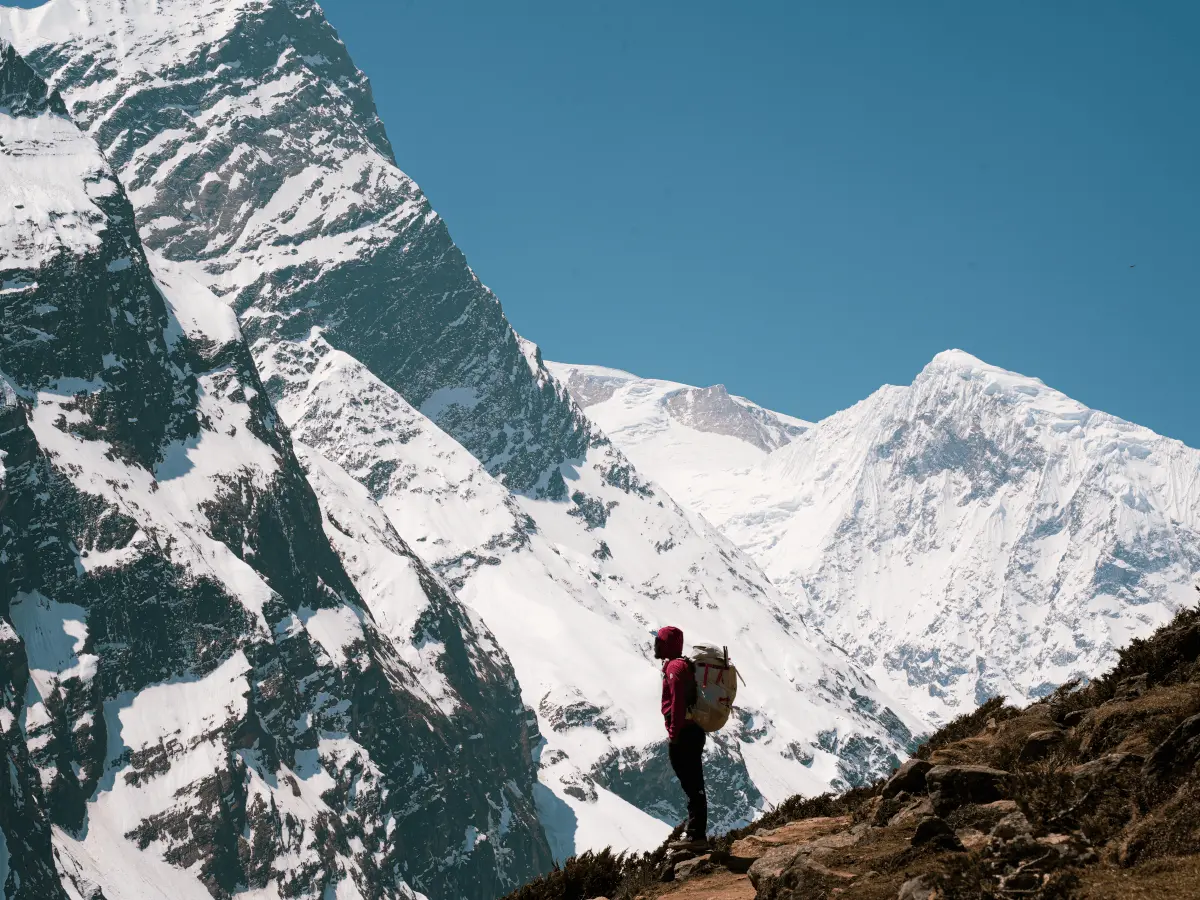
Manaslu Circuit with Tsum Valley is considered among the most rewarding off-the-beaten track trek in Nepal, which comprises the fascinating Manaslu Circuit and Tsum Valley. The exciting trek takes the trekkers through dense forests, gorges, Tibetan Buddhist villages, old monasteries, alpine region and then over the famous Larkya La Pass (5,106 m). In contrast to the busy Everest and Annapurna Regions, the restricted trekking route ensures tranquil trails, genuine mountain culture and stunning Himalayan views.

The trek covers the mystical Tsum Valley, known as the "Hidden Valley of Happiness," where ancient traditions, monasteries including Mu Gompa and Rachen Gompa, and hospitality of the Tsumba people offer an incredible cultural experience. Upon coming out from the valley, the trekkers move to the well-known Manaslu Circuit and gradually ascend to Sama Gaun, Samdo, and Larkya La Pass, which is counted amongst the most beautiful passes of Nepal.

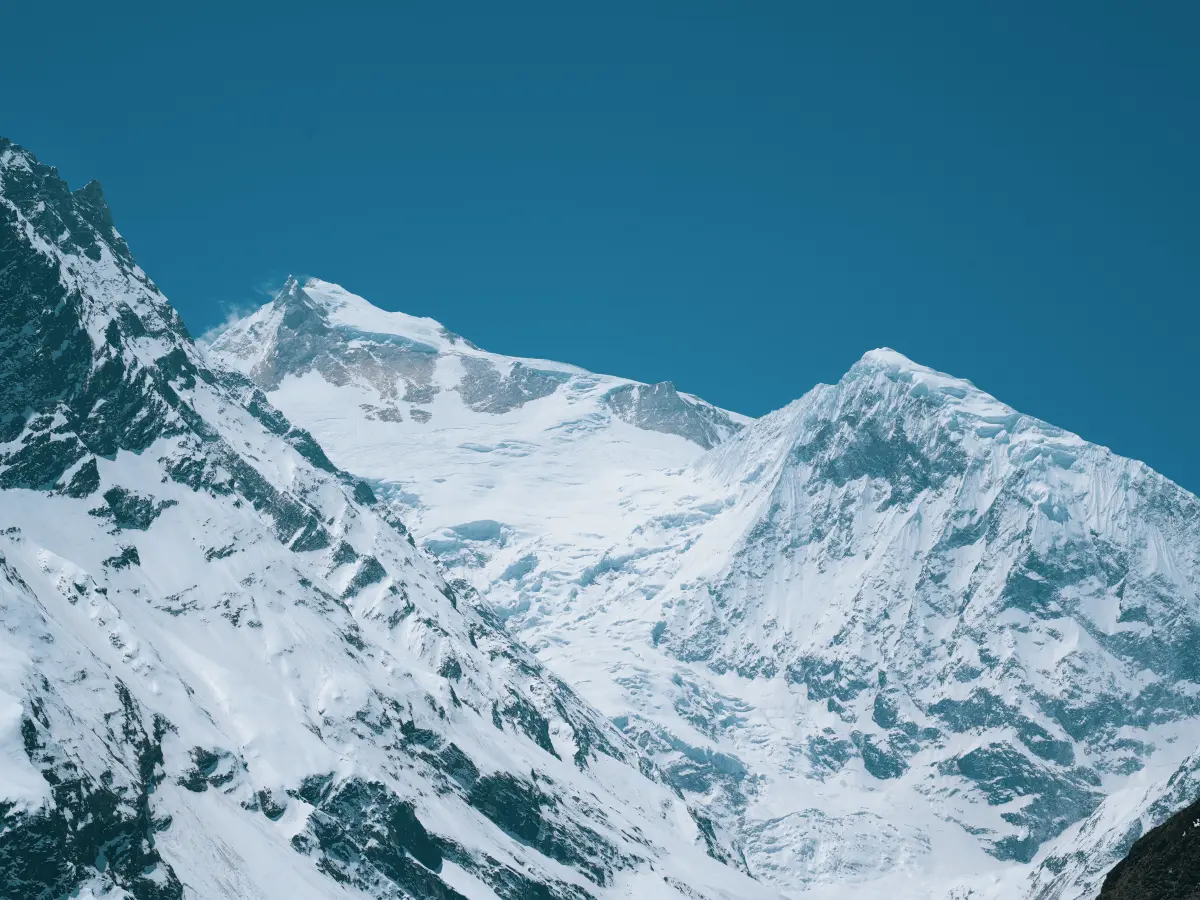
During the trek, trekkers get to view mesmerizing peaks such as Manaslu (8,163 m), Himchuli, Ngadi Chuli, Ganesh Himal, Shringi Himal, Himlung Himal, Cheo Himal, Kang Guru and Annapurna II. The trek takes trekkers through the Manaslu Conservation Area that is rich in diversity of flora and fauna and alpine forests, waterfalls and glaciers.

An amazing combination for trekking enthusiasts who are looking for privacy, the richness of Himalayan culture, and an adventurous experience, the Manaslu Circuit Trek with Tsum Valley provides the perfect mix of spirituality, trekking through wilderness, and high altitude experience. This trip includes careful planning for acclimatization, guides with experience in leading treks and teahouse accommodation providing comfort, thus becoming one of the best trekking trips in Nepal.

Highlights of Manaslu Circuit Trek with Tsum Valley

  • Trek in the majestic Manaslu Conservation Region, rich in wildlife, lush forests, and stunning Himalayas.
  • Experience the beautiful Tsum Valley, considered to be one of the most isolated and culturally intact Himalayan valleys in Nepal.
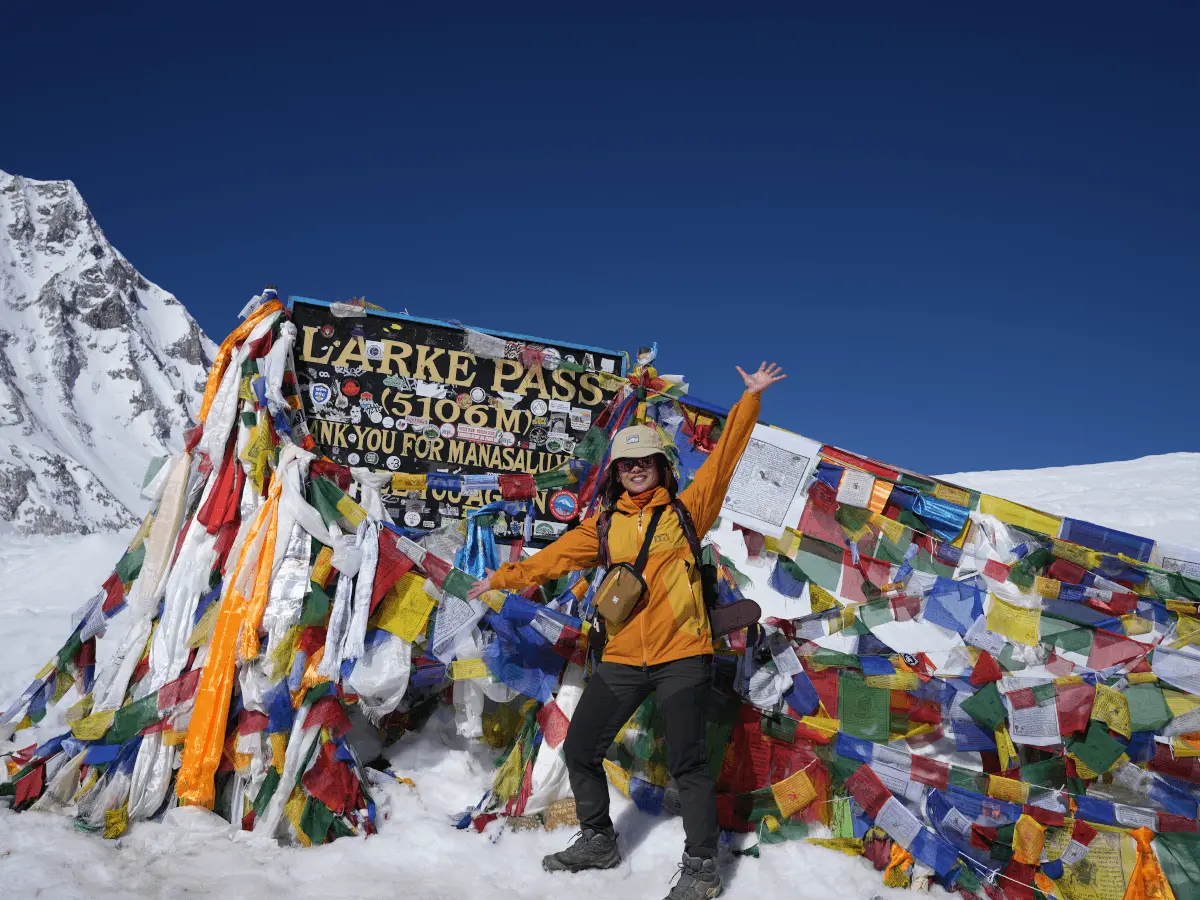
  • Trek across the exciting Larkya La Pass (5,106 m), one of the longest and most scenic trekking passes in Nepal.
  • Adore panoramic views of Mt. Manaslu (8,163 m), Himchuli, Ganesh Himal, Shringi Himal, Himlung Himal, Cheo Himal, Kang Guru, and Annapurna II.
  • Visit the historic Buddhist monasteries of Serang Gompa, Mu Gompa, Rachen Gompa, Pungyen Gompa, along with many centuries-old chortens and mani walls.
  • Experience the true culture, lifestyle, and warm hospitality of Tsumba and Nubri ethnic groups who follow the traditions of Tibetan Buddhism.
  • Trek in the lovely Himalayan villages such as Jagat, Lokpa, Chumling, Chhokang Paro, Nile, Mu Gompa, Namrung, Lho, Sama Gaun, Samdo, and Bimthang.
  • Take advantage of amazing views of glaciers, alpine meadows, crystal clear rivers, waterfalls, suspension bridges, and deep Himalayan gorges.
  • Visit Birendra Lake and undertake optional acclimatization treks to Manaslu Base Camp or Pungyen Gompa from Sama Gaun.
  • Explore remote valleys where the ancient Buddhist tradition, prayer wheels, colored prayer flags, and centuries-old monasteries are still a significant part of local people’s lives.
  • Come across blue sheep, Himalayan thar, musk deer, brightly colored Himalayan pheasants, and even, if you are lucky enough, snow leopard in the conservation area.
  • Enjoy peaceful routes away from crowds of Everest and Annapurna, and thus undertake the true wilderness trekking experience.
  • Stay at family-run teahouses, which are known for their genuine Himalayan hospitality and home-made dishes.
  • Travel across a changing landscape, ranging from subtropical forest and terraced hillside to alpine valleys, glaciers, and mountain passes.

Best Time for Manaslu Circuit Trek with Tsum Valley

Manaslu Circuit Trek with Tsum Valley can be taken anytime throughout the year, but the best experience is provided in spring (March to May) and autumn (September to November). It is the best period for trekking since it offers good weather conditions, moderate temperature, clear view of the mountains and good condition of trails suitable for trekking.

Spring (March – May) – Peak Season for Trekking

Spring turns the Manaslu region into a paradise full of color. Rhododendrons, magnolias and other wild flowers begin to bloom, while the weather is pleasantly warm at low altitudes and cool in the mountains. The visibility is usually good, enabling trekkers to see Manaslu, Ganesh Himal, Himalchuli, Shringi Himal and other peaks of the surrounding region.

Autumn (September - November) – Ideal Overall Season 

Autumn is deemed the best season to visit the Manaslu Circuit and the Tsum Valley trek. Due to the monsoon rains that end by autumn, the skies will be clearer than ever before, the landscapes will be full of lush greenery, and visibility will be high. There will be dry and favorable weather for the crossing of the Larkya La Pass (5,106m). Also, there will be the main Nepalese festivals including the Dashain and Tihar, which offer trekkers an opportunity to immerse themselves in culture.

Winter (December - February)

The winter season provides serene paths and great views of snow-capped mountains. The Tsum Valley is very scenic during winter, but temperatures are way below freezing, particularly in Dharmasala and Larkya La Pass. It can also happen that heavy snowfall will cover the pass, which adds some extra difficulty to the trek.

Monsoon (June-August)

During the summer monsoon season, there will be frequent rains in the lower parts of the trek which would make the path very muddy and slippery as well as increase the risk of landslides. The visibility of the mountains is generally low due to the presence of clouds. However, the upper Manaslu areas are located in the rain shadow zone, meaning that they receive much less precipitation than other trekking destinations in Nepal. Therefore, those trekkers who are okay with some rain will have an opportunity to experience stunning nature, fewer crowds, and a special Himalayan trip.

Our Recommendation

We strongly advise our clients to undertake the trek from March to May or September to November, since the weather will be optimal for trekking and experiencing amazing mountain views and culture of the sacred Tsum Valley and the famous Manaslu Trekking circuit.


Manaslu Circuit Trek with Tsum Valley Trek- 21 days Itinerary

Day 01Arrival in Kathmandu (1,400 m)

  • Max Altitude:1,350 m
  • Accommodation:3 star accommodation

On arrival at Tribhuvan International Airport, a representative of Altitude Quets will receive you and transport you to your hotel in Kathmandu. On arrival, you may settle in or go sightseeing around Thamel. You will meet your trekking guide today in the evening.

Day 02Trek Briefing and Permit Preparation

  • Max Altitude:1,350 m
  • Meals:Welcome Dinner
  • Accommodation:3 star accommodation
  • Duration:Full Day

Today is meant for preparations for your Himalayan adventure. Your trek guide will conduct a detailed trek briefing on safety, altitude, equipment, and the trekking itinerary. While this happens, we take care of all the trekking permits that are needed for your trekking in the restricted Manaslu and Tsum Valley regions. You will have time to visit the UNESCO World Heritage Sites in Kathmandu and do some shopping for your trekking.

Day 03Drive from Kathmandu to Jagat (1,340 m)

  • Max Altitude:1,340 m
  • Meals:Breakfast, Lunch and Dinner
  • Accommodation:Local Teahouse

Today starts with a pleasant drive in the beautiful countryside of Nepal. We will be driving through the countryside following the rivers of Trishuli and Budhi Gandaki Rivers and you will get to see terraces, villages, waterfalls, and winding mountain roads on the way to Jagat which is the official gate of the Manaslu Conservation Area.

Day 04Trek from Jagat to Lokpa (2,240 m)

  • Max Altitude:2,240 m
  • Meals:Breakfast, Lunch and Dinner
  • Accommodation:Local Teahouse
  • Duration:6-7 hours

The trek slowly ascends through thick forests, suspension bridges, and typical Gurung villages. After crossing Philim, the peaceful trails take you towards the secretive Tsum Valley. With the diminishing crowds, you will find the landscapes becoming more and more isolated and interesting from a cultural perspective.

Day 05Trek from Lokpa to Chumling (2,386 m)

  • Max Altitude:2,386 m
  • Meals:Breakfast, Lunch and Dinner
  • Accommodation:Local Teahouse
  • Duration:6-7 hours

Here lies the experience of actually being in a remote Himalayan valley. You will trek through the thick pine, rhododendron and Himalayan forest, and at intervals, you will see cliffs and mountainscapes.It's not all easy trekking, since it entails some ups and downs along the valley. At various times, you will cross small streams, hike on the narrow part of the hillside, and enjoy the calm atmosphere. As you near Chumling, the scenery begins to open up, and the villages that have been influenced by Tibetan culture begin to come into view, together with some stunning mountain ranges.

Chumling is a quiet and small village located above the Shiar Khola. It offers you views of the Ganesh Himal Range and the other Himalayan mountains. The afternoon is the best time to tour around the village and get to know the people and their lifestyle.

Day 06Trek to Lamagaon (3,200 m) via Chhokang Paro and Explore Tsum Monastery & Rachen Nunnery

  • Max Altitude:3,200 m
  • Meals:Breakfast, Lunch and Dinner
  • Accommodation:Local Teahouse
  • Duration:6-7 hours

On today’s adventure, you get into the upper part of the Tsum Valley where the culture and landscape become more specific. Following breakfast, the route passes through the forested areas and traditional settlements to get to Chhokang Paro village, considered the most beautiful village in the valley. Here, the influence of Tibetan Buddhism is quite pronounced. You will see stone houses, prayer flags, mani walls, chortens, and prayer wheels on your way. The beautiful mountains and valley walls will create additional scenery during your hike.

From Chhokang Paro, your way goes to Lamagaon while you will be able to pay attention to the important Buddhist cultural places here. Rachen Nunnery is a place worth visiting in the Tsum Valley. This nunnery is one of the centers of Tibetan Buddhist culture where you can learn more about the tradition which has existed here for many years.

Moreover, you may visit Tsum Monastery depending on the schedule of your trip. Thus, it is not just sightseeing but rather an insight into the cultural and religious values of the valley. By the moment you reach Lamagaon, you will feel the increased height and cooler climate typical of the Himalayas. The best thing you can do here in the evening is to have some rest.

Day 07Hike to Mu Gompa (3,700 m) and Return to Nile

  • Max Altitude:3,700 m
  • Meals:Breakfast, Lunch and Dinner
  • Accommodation:Local Teahouse
  • Duration:6-7 hours

Today is one of the most satisfying days in the Tsum Valley. Once you are done with your breakfast, you begin hiking to Mu Gompa, which is the highest and one of the most significant monasteries in the valley.

The trail slowly gains height in the increasingly barren landscapes of the Himalayas. As you ascend, the vegetation gets sparse, while the view expands. The serene setting, dramatic mountain faces, and the old Buddhist architecture create an entirely different ambience from that of the earlier portions of the trek.

Mu Gompa is located at approximately 3,700 meters and is noted for its isolation and deep association with Tibetan Buddhism. You may take some time to visit the monastery and its vicinity, and depending on the weather, have a look at the beautiful vistas of the mountainous region. Due to the high altitude of the trek, it should be walked at a comfortable pace. There is no need to hurry as the purpose of today is to explore the beautiful high Himalayan setting and its atmosphere. Once done exploring Mu Gompa, head back along the same route and make your way to the Nile. The descending part of the journey should be relatively easier as you are losing altitude on the trek.

Day 08Trek from Nile to Lamagaon (3,200 m)

  • Max Altitude:3,200 m
  • Meals:Breakfast, Lunch and Dinner
  • Accommodation:Local Teahouse
  • Duration:6-7 hours

Today is relatively easy since you follow the same route through the beautiful Upper Tsum Valley. Breakfast and then you walk down to Lamagaon.

Following the same path will offer you another view of the scenery around you. You get the chance to enjoy the mountains, the forests, the villages, the mani walls, and the Buddhist monuments that you may have hurried past before. The journey down offers you some relief from walking at high altitudes for some time. You will notice that the landscape around you is becoming greener as you go lower in altitude. At Lamagaon, you will have an opportunity to relax in the calm atmosphere. In case you have not seen all the cultural monuments on the way up, you can spend the afternoon visiting the village and its surroundings.

Day 09Trek from Lamagaon to Bihi Village (1,990 m)

  • Max Altitude:1,990 m
  • Meals:Breakfast, Lunch and Dinner
  • Accommodation:Local Teahouse
  • Duration:6-7 hours

Today marks the start of a big difference both in terms of altitude and the terrain you are moving through. Following breakfast, you depart from Lamagaon to descend towards Bihi Village. This trek starts to take you out of the high and dry territory of the Upper Tsum Valley into greener, forested regions. This is due to the gradual loss of height and increase in warmth. The trail follows through the traditional Himalayan settlements and the valleys of the Budhi Gandaki River as well as the neighboring mountain faces. This means that there are many bridges to cross and other natural landmarks as seen before.

Your descent to Bihi Village which is located 1,990 meters up the valley is definitely noticeable since it is the first time you are below 3,000 meters altitude for some time. This is a picturesque traditional village located amidst the green hills and majestic Himalayan terrains. Following your arrival, it is nice to take it easy in the village and feel the change in the scenery since entering the Tsum Valley area.

Day 10Trek to Serang Gompa (3,100 m)

  • Max Altitude:3,100 m
  • Meals:Breakfast, Lunch and Dinner
  • Accommodation:Local Teahouse
  • Duration:7-8 hours

The trek route will deviate from the main track in order to make an enjoyable trip to one of the most ancient and respected monasteries of the Nubri area named Serang Gompa. The path goes up along the pine and rhododendron forests with occasional glimpses of the magnificent view of the surrounding peaks. Once arrived at the destination, spend some time exploring the peaceful monastery admiring its beautiful murals and prayer halls.

Day 11Trek from Serang Gompa to Namrung (2,630 m)

  • Max Altitude:2,630 m
  • Meals:Breakfast, Lunch and Dinner
  • Accommodation:Local Teahouse
  • Duration:7-8 hours

After having a peaceful morning at Serang Gompa, go down to return back to the normal trail of Manaslu trekking route and move on to reach Namrung. While going higher into the Himalayas, you will see the environment changing from subtropical forest to alpine environment. Tibetan villages, beautifully crafted mani stones, spinning prayer wheels, and decorated chortens can be seen along the trail. Once at Namrung, admire the amazing views of Manaslu, Ganesh Himal, and Himalchuli while exploring one of the most culturally enriched villages of the region.

Day 12Trek from Namrung to Shyala (3,500 m)

  • Max Altitude:3,500 m
  • Meals:Breakfast, Lunch and Dinner
  • Accommodation:Local Teahouse
  • Duration:6-7 hours

The trekking today will be considered one of the most scenic treks in the trip. You will ascend along the alpine forests and villages, coming across Lho village where you can find an impressive Ribung Monastery. Pass through Shyo village to reach Shyala village. This charming village, situated amid towering Himalayas, gives a great view of the peaks such as Manaslu, Himalchuli, Ngadi Chuli, Peak 29 (Nagdi Chuli) and Manaslu North.

Day 13Trek to Sama Gaon (3,530 m) via Pungen Gompa

  • Max Altitude:3,530 m
  • Meals:Breakfast, Lunch and Dinner
  • Accommodation:Local Teahouse
  • Duration:9-10 hours

While the conventional trek route ends at Sama Gaon, this route makes an interesting deviation to the amazing Pungen Gompa. Located under the huge glaciers of Mount Manaslu, this monastery provides the best viewpoint of the mountain excluding Base Camp. Get mesmerized by the hanging glaciers, icefalls, and stunning mountain view before going down to Sama Gaon which is the biggest settlement in the upper region of Manaslu. Explore this village with its traditional Tibetan architecture and culture.

Day 14Acclimatization Day at Sama Gaon

  • Meals:Breakfast, Lunch and Dinner
  • Accommodation:Local Teahouse
  • Duration:Full Day

This day will be devoted to acclimatization for a safe journey up to Larkya La Pass. The rule of "climb high and sleep low" gives you two options: either hike up to the beautiful lake of Birendra or go even further up to Manaslu Base Camp to get breathtaking views of Mount Manaslu, glaciers, and the other peaks. You may spend some time in the ancient monasteries of Sama Gaon and meet the local villagers.

Day 15Trek from Sama Gaon to Samdo (3,875 m)

  • Max Altitude:3,875 m
  • Meals:Breakfast, Lunch and Dinner
  • Accommodation:Local Teahouse
  • Duration:3-4 hours

Today's rather short walk will take us up a gentle climb via large glacial valleys, yak grazing land and alpine environment. As vegetation starts getting sparse, the view of the great mountains like that of Manaslu, Samdo Peak and others will occupy most of our attention. Upon reaching the small Tibetan refugee village of Samdo situated within a few kilometers of the Tibetan border we will be experiencing a fascinating combination of the Himalayan culture, tradition of trading and amazing mountain landscapes.

Day 16Trek from Samdo to Dharmasala (4,460 m)

  • Max Altitude:4,460 m
  • Meals:Breakfast, Lunch and Dinner
  • Accommodation:Local Teahouse
  • Duration:3-4 hours

After breakfast, the walk will take us gradually towards the last village before crossing the Larkya La Pass called Dharmasala or Larkya Phedi. The route takes us up a gentle slope over a rocky Alpine landscape where we cross many glacial streams and gain better views of the Larkya glacier and surrounding snowy mountains. We reach here to rest and prepare ourselves for the next day's pass crossing.

Day 17Trek to Bhimtang (3,720 m) via Larkya La Pass (5,106 m)

  • Max Altitude:3,720 m
  • Meals:Breakfast, Lunch and Dinner
  • Accommodation:Local Teahouse
  • Duration:10-11 hours

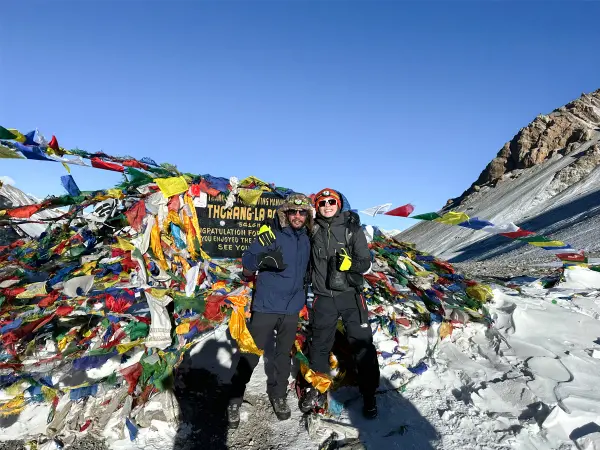
This is the most challenging but also the most rewarding day during the whole trek. Start your morning early and begin climbing the Larkya La Pass via moraines and snow-covered trails. On summiting the Larkya La Pass, savor your moment and enjoy the stunning vistas of Mount Manaslu, Himlung Himal, Cheo Himal, Kang Guru, Annapurna II, and many other mountain peaks around. Continue down the rugged glacial descent into alpine meadows until you finally reach the scenic valley of Bhimtang.

Day 18Trek from Bhimtang to Gowa/Tilche

  • Max Altitude:2,300 m
  • Meals:Breakfast, Lunch and Dinner
  • Accommodation:Local Teahouse
  • Duration:5-6 hours

Descend through rhododendron and alpine forested area with numerous scenic valleys flowing out of glacial rivers. Traverse several suspension bridges and pass by Gurung villages while the landscape turns from rugged alpine area to lush green hills. You will spend the night in Gowa or Tilche, depending on the conditions and availability of accommodation.

Day 19Drive to Kathmandu via Besisahar

  • Max Altitude:1,350 m
  • Meals:Breakfast and Lunch
  • Accommodation:3 star accommodation
  • Duration:6-7 hours
  • Mode of Transportation:Private Vehicle

After your breakfast, proceed to Besisahar via Tilche and then head for Kathmandu through the beautiful Prithvi Highway. During the drive, take in the stunning views of rivers, farms, hilly terrain, and villages as you think about the great journey that you have experienced in the Tsum Valley and Manaslu Circuit. Arriving at Kathmandu, settle at your hotel for a peaceful night or have some celebration of completing your trekking experience.

Day 20Rest and Reserve Day in Kathmandu

This reserve day gives us leeway in case of any weather delay or other issues that may arise during the trekking period. In case of no complications, you will get a day at leisure where you can enjoy visiting the UNESCO World Heritage sites of Kathmandu, shopping at Thamel for souvenirs or crafts, or just taking time off from your mountainous activities.

Day 21Final Departure

The exciting trip through the sacred Tsum Valley and Manaslu Circuit comes to an end today. After breakfast, you will be transferred by our Altitude Quest representative to Tribhuvan International Airport as per your international departure flight time. We hope the wonderful experiences in Nepal's amazing mountains, warm communities, and Buddhist culture will stay with you forever.

Still Confused
Every adventurer is different- that’s why we customize each Nepal trek or tour to match your requirements, time, budget, fitness level, and group size. Contact us today and let’s design the Himalayan journey that’s right for you.

Manaslu Circuit Trek with Tsum Valley Trek- 21 days Cost Details

Includes

  • Kathmandu airport pickup and drop-off at Tribhuvan International Airport
  • 3 nights in a 3-star hotel in Kathmandu (Twin sharing with breakfast)
  • 16 nights in standard teahouses/lodges during the trek (Twin sharing)
  • Welcome Dinner in Kathmandu
  • Breakfast, Lunch, and Dinner (including tea/coffee) throughout the trekking period
  • Private Jeep transfer from Kathmandu to Machha Khola
  • Shared/Private Jeep transfer from Dharapani to Kathmandu via Besisahar
  • English-speaking, government-licensed trekking guide
  • 1 porter for every 2 trekkers (maximum 20 kg per porter)
  • Manaslu Restricted Area Permit (MRAP)
  • Tsum Valley Restricted Area Permit 
  • Manaslu Conservation Area Permit (MCAP)
  • Annapurna Conservation Area Permit (ACAP)
  • TIMS Card (if required by current regulations)
  • All required trekking permits and government paperwork
  • Sleeping bag and down jacket (to be returned after the trek)
  • Trekking map and Altitude Quest duffel bag
  • Basic first aid kit carried by the guide
  • Oximeter for daily altitude monitoring
  • All government taxes and service charges

Excludes

  • International airfare to/from Nepal
  • Nepal entry visa fees
  • Lunch and dinner in Kathmandu (except Welcome Dinner)
  • Personal trekking equipment and clothing
  • Travel insurance (mandatory, covering high-altitude trekking above 5,000 m and emergency helicopter evacuation)
  • Personal expenses (laundry, telephone, souvenirs, etc.)
  • Hot shower, battery charging, and Wi-Fi at teahouses (available at an additional cost)
  • Bottled water, soft drinks, alcoholic beverages, snacks, and personal beverages
  • Tips for guides, porters, and drivers
  • Expenses arising from flight delays, road blockages, natural disasters, political unrest, or personal emergencies
  • Extra accommodation or meals due to early arrival, late departure, or itinerary changes beyond our control
  • Any other services not specifically mentioned under the "Inclusives" section

Essential Information

Travel Insurance (Compulsory)

Full coverage travel insurance that includes high-altitude trekking up to 5,106 meters (Larkya La Pass), emergency evacuation via helicopter, medical treatment, trip interruption, and rescue cost should cover you during the Manaslu Circuit Trek with Tsum Valley. Please share your insurance policy prior to your trek date.

Altitude & Acclimatization

The maximum altitude during this trek will be 5,106 meters; therefore, acclimatization is critical. The itinerary is planned in such a way that there will be designated days for acclimatization in Chhokang Paro and Sama Gaun to allow your body to get adjusted to the altitude. Every trekker will be observed by our highly experienced guides for any symptoms of Acute Mountain Sickness (AMS) on each day and we have a first aid kit and oximeter to check the health status of each trekker on a daily basis. In case your guide deems it necessary to take any actions, they will either decide to take a rest, descend to a lower altitude, or evacuate you in an emergency situation.

Drinking Water during Manaslu Circuit and Tsum Valley Trek

Safe drinking water is available along the trail. Boiled drinking water can be provided by tea houses at a minimal cost while the bottled water can be bought at a cost from villages which may increase with the increase of altitude. We strongly recommend using reusable water bottles or hydration bladders in addition to water purifying tablets or portable filters.

Toilets & Showers in Manaslu Tsum Valley Trek

Tea Houses usually have common Western style or squat toilets. Hot showers are available in many lower and medium altitude villages for additional money, mostly NPR 300 - 700. Higher villages like Samdo and Dharmasala do not have shower facilities except buckets of hot water at additional costs.

Mobile Network & Internet Connectivity

There is mobile network coverage provided by Nepal Telecom (NTC) and Ncell in many lowland villages, whereas mobile network coverage becomes poor when you go up into Tsum valley and Manaslu Upper region. Wi-Fi is provided in some teahouses with extra charges; however, connectivity is weak in the mountainous terrain. Hence, it would be advisable to let your family members know that communication may become difficult at some parts of the trek.

Food and Accommodation

The accommodation is arranged in family-owned teahouses which provide twin-sharing rooms. Food will be provided by teahouses which will consist of fresh and healthy vegetarian and non-vegetarian food like dal bhat, fried rice, noodles, pasta, soups, potatoes, Tibetan bread, pancakes, porridge, eggs, momos, and seasonal veggies. Vegetarian, vegan and gluten-free food is provided in most villages. Food will be rich in carbohydrates and energy for the long days of trekking.

Responsible Trekking

At Altitude Quest we strive towards responsible tourism. Therefore, we ask you to bring reusable water bottles for reducing plastic wastes, respect culture and Buddhism, ask permission for photographs and follow Leave No Trace principles. By taking these trips with us, you are supporting local people through hiring experienced guides, porters, and family teahouses.  

Tipping Guidelines

Tip is not necessary but always appreciated as a thank you gift for the hard work done by your trekking crew. As a rule of thumb, trekkers usually give USD 10-15 for the guide per day and USD 5-10 for each porter per day, to be divided among trekkers. Excellent services deserve generous tips as per your judgment.

Manaslu Circuit Trek with Tsum Valley Trek- 21 days FAQs

The Manaslu Circuit Trek with Tsum Valley is known to be a strenuous to challenging trek. The trek includes 5-8 hours of walk each day, steep climbs and descents, as well as a crossing of the high Larkya La Pass (5,106 m). Prior trekking experience and moderate to good fitness level is highly recommended.

Yes. The Manaslu and Tsum Valley treks are restricted trekking zones of Nepal and trekking alone without any guides is prohibited. You have to trek in a group accompanied by a licensed guide from an approved trekking agency such as Altitude Quest and usually, at least two trekkers are needed for restricted area permits.

For this trek, you will need:

  • Manaslu Restricted Area Permit (MRAP)
  • Tsum Valley Restricted Area Permit (TVRAP)
  • Manaslu Conservation Area Permit (MCAP)
  • Annapurna Conservation Area Permit (ACAP)

Permits will be arranged prior to the trek by Altitude Quest.

Spring (March-May) and autumn (September-November) are considered to be the best seasons. During the peak seasons, you will be able to enjoy stable weather, clear skies and magnificent mountain views.

Yes. As the trek is to be done at 5,106 meters, there may be a problem of altitude sickness. Proper acclimatization days will be included in our itinerary and your health will be monitored closely by our guides during the whole journey. Following your guide, staying hydrated, walking steadily greatly reduces your chances of altitude sickness.

We arrange for traditional teahouse accommodations with twin-sharing basic rooms. Most of the lodges have common toilets while the lower villages have bathrooms attached to each room for an extra charge.

A variety of freshly made meals will be served at the teahouses. Some of the foods which include fresh vegetables such as daal bhat, noodles, fried rice, pasta, soup, potato, Tibetan bread, pancakes, egg, momo, and seasonal vegetables are available. Vegetarian and Vegan food is available in most villages.

Yes. It is necessary that all trekkers have comprehensive travel insurance which covers trekking above 5,000 meters, helicopter rescue, and medical coverage.

Motivated beginners with good fitness can do this trek however, we advise people who already have some experience of multi-day hikes or high altitude treks as this is a long trek and requires lots of effort.

At Altitude Quest, we offer our clients well-experienced licensed government guides, well-crafted acclimatization plans, good teahouse accommodation, efficient transport, permits, and customized services for their Himalayan adventures. We prioritize the safety of our clients and ensure that you get an authentic and memorable trekking experience.