Nar Phu Valley, Kang La & Mesokanto Pass Trek- 20 Days

tripadvisor50 Reviews in TripAdvisor
google10 Reviews in Google Reviews
Trip Facts
  • Country Nepal
  • Region Annapurna
  • Trip Grade Hard/Challenging
  • Maximum Altitude 5,320 m (Kang La Pass)
  • Group Size 1-20
  • Starts Besisahar
  • Ends Pokhara
  • Activities Trekking
  • Best Time Spring and Autumn

The Nar Phu Valley, Kang La & Mesokanto Pass Trek is one of the best that Nepal has on offer; it features stunning Himalayan valleys, rich Tibetan culture, high mountain passes and the breathtaking scenery of Tilicho Lake. It is aimed at experienced trekkers wishing to travel through the less frequented parts of Nepal, avoiding the popular trekking trails of the country. The Nar Phu Valley, Kang La & Mesokanto Pass Trek will take you through some of the remotest regions of the Annapurna Conservation Area of Nepal, crossing two of the country's greatest mountain passes.

Starting from the picturesque drive to Koto, the trek takes you into the restricted Nar Phu Valley, home to old stone villages, old monasteries, prayer flags and other traditions of Tibetan Buddhism remaining untouched by modern civilization. Trekking further through the Meta, Phu Gaun, Nar Phedi and Nar Village, you will get to see Nepal as very few people ever get to see it. 

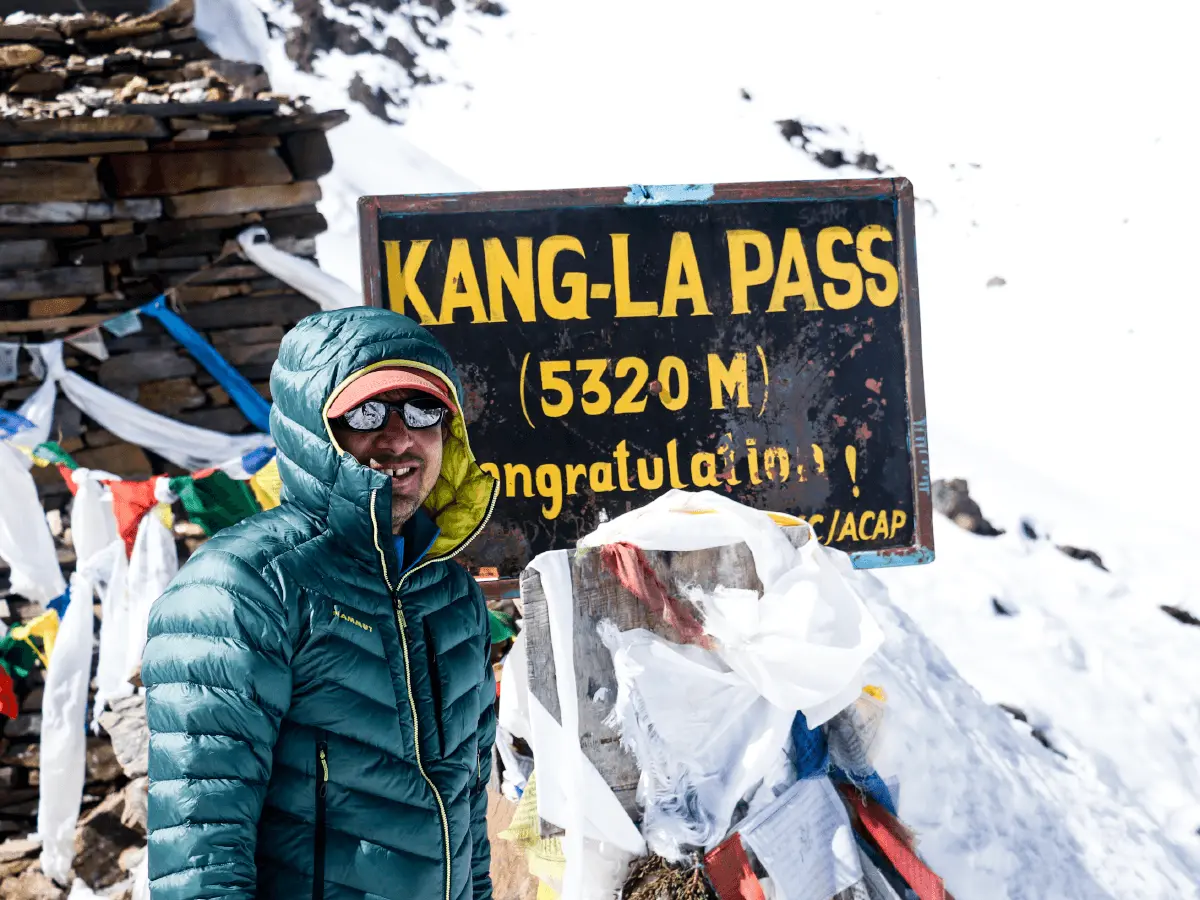
The trip gets to its first peak during the pass over the Kang La Pass (5,320m), giving breathtaking panoramic view of the Annapurna II, Gangapurna, Tilicho Peak, Chulu East and many other Himalayan peaks around before getting you to the famous Annapurna Circuit at Ngawal and Manang.

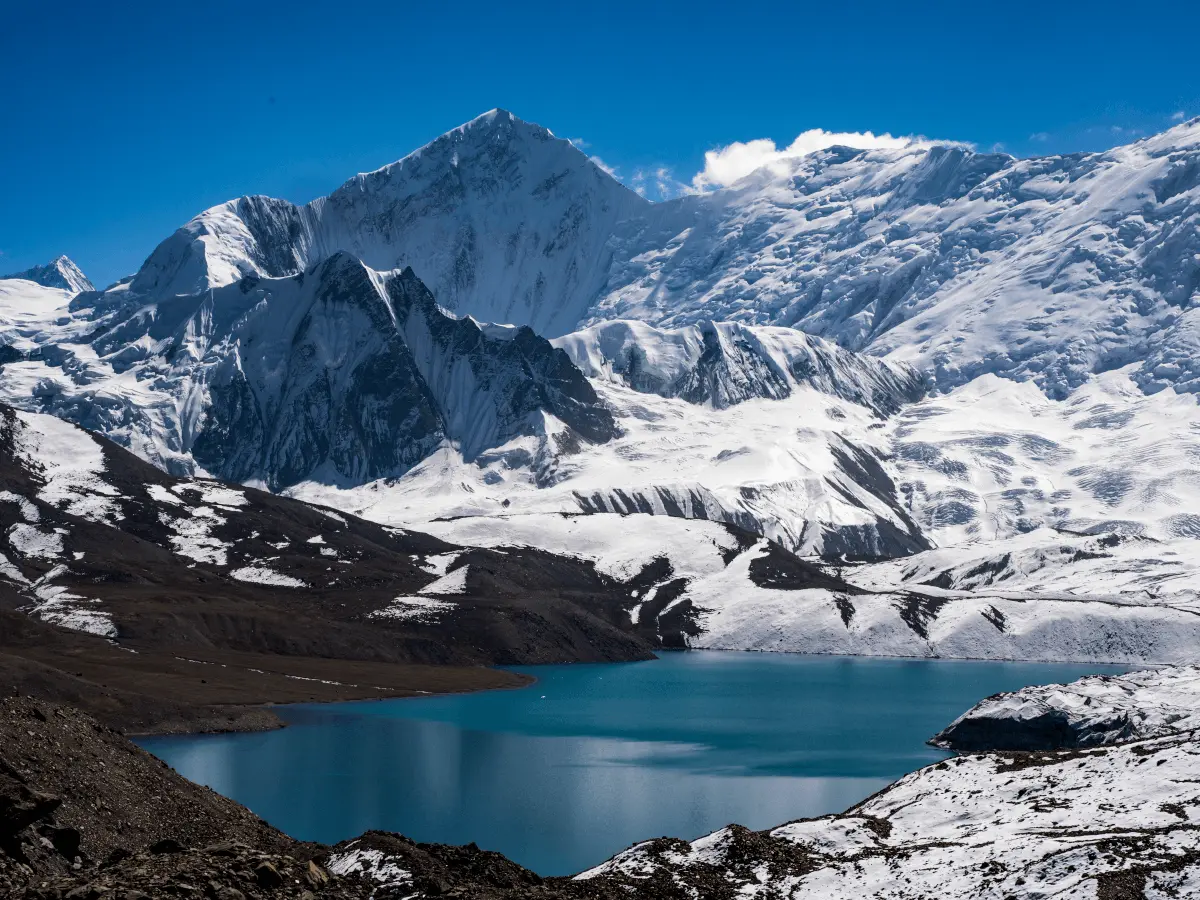
Once the acclimatization process is completed, the trail moves on to reach the sapphire waters of Tilicho Lake (4,919m), one of the highest lakes in the world. Instead of taking the same return trail, the tour heads out towards Mesokanto Pass (5,120m), a difficult pass in the alpine zone leading to the Kali Gandaki valley via a remote camping area in Nama Phung Caves and then to Jomsom

With well-planned acclimatization days, qualified trekking guides, and well-thought-out logistical arrangements, this tour combines adventure with safety and gives trekkers a great opportunity to enjoy the amazing scenery, Himalayan culture, and challenging landscape of Nepal. This trek takes trekkers from hidden Tibetan villages and sacred monasteries to high alpine deserts, glaciers, and spectacular lakes, making it one of the best treks off the beaten path in Nepal.

If you wish to discover the hidden side of Nepal or if you wish to cross two famous passes in one tour, the Nar Phu Valley, Kang La & Mesokanto Pass Trek with Altitude Quests will offer you the best experience ever in one of the remotest areas of Nepal.

Highlights of the Nar Phu Valley, Kang La and Mesokanto Pass Trek

  • Discover the secretive and inaccessible Nar Phu Valley, one of the most remote trekking areas of Nepal.
  • Witness the living Tibetan culture of Nar Village and Phu Gaun.
  • See ancient monasteries, chortens, mani walls, and typical settlements of the Himalayas.
  • Traverse the majestic Kang La Pass (5,320m) and enjoy the view of the entire Annapurna Range.
  • Have acclimatization days discovering remote Himalayan settlements and doing optional trips to Himlung Base Camp and Ice Lake.
  • See the breathtakingly beautiful Turquoise water of Tilicho Lake (4,919m), one of the highest lakes of the world.
  • Pass by the adventurous Mesokanto Pass (5,120m), one of the least trodden passes of Nepal.
  • Campsite at the base of imposing cliffs close to the caves of Nama Phung.
  • Trek through varied landscapes from tropical forest and deep river canyons up to Alpine meadows, glaciers and high mountains desert.
  • Combine the secret Nar Phu Valley and the famous Annapurna Region in one trek.
  • Marvel at the magnificent view of Annapurna II, Gangapurna, Tilicho Peak, Himlung Himal, Chulu East, Pisang Peak, Dhaulagiri, and Nilgiri.
  • Trek with experienced guides of Altitude Quests and well-arranged acclimatization plan.
  • An ideal trek for experienced trekkers seeking an exciting adventure in a less crowded part of the Himalayas.

Best Time for the Nar Phu Valley, Kang La & Mesokanto Pass Trek

The Nar Phu Valley, Kang La & Mesokanto Pass Trek can be done during the seasons of spring (March to May) and autumn (September to November). The weather conditions are stable, the mountain views are very good, and the high mountain passes are open to access.

In the spring season, the rhododendron forest blooms, the weather is pleasant, and the view from the mountains is amazing. There will be some snow at the Kang La Pass and Mesokanto Pass, which is good for experiencing the beauty of alpine areas without much difficulty.

The autumn season is characterized by clean air and clear skies. Visibility will be perfect and there is no threat of landslides because the monsoons are past. This period is considered the most favorable for crossing the mountain passes and enjoying panoramic views of Annapurna and Damodar Himal.

During the winter season, there will be heavy snowfall at Kang La and Mesokanto Pass, making the trekking difficult. In the summer, due to the monsoons, the possibility of landslides is high.

Difficulty of the Nar Phu Valley and Mesokanto Pass Trek

The Nar Phu Valley, Kang La & Mesokanto Pass Trek is regarded as a difficult high altitude trekking expedition which involves wilderness trekking along with trekking across two tough Himalayan passes above 5,000 meters. This trek takes about 20 days during which there would be long walking days, high altitude gain and endurance.

This trek is different from the conventional Annapurna Circuit trek as this trek starts with exploring the isolated Nar Phu Valley followed by crossing two high altitude mountain passes called Kang La Pass (5,320m) and the tough Mesokanto Pass (5,120m). As the trek progresses, the paths become increasingly isolated with less presence of villages, tough terrain of mountains and a night camp after crossing Mesokanto Pass.

It is expected that the trekkers would have no problem walking for 6 to 8 hours a day through rocky and tough mountain terrain and high altitude carrying their own personal bags. Though technical mountaineering skills would not be needed, prior experience of trekking above 4,000 meters is very much desirable.

With physical preparation and gradual acclimatization, this trek can become one of the most rewarding experiences of the Himalayas in Nepal.


Nar Phu Valley, Kang La & Mesokanto Pass Trek- 20 Days Itinerary

Day 01Arrival in Kathmandu (1,350m)

  • Max Altitude:1,350 m
  • Accommodation:3 Star Accommodation

Once you have landed in Tribhuvan International Airport, you will be received by a representative of Altitude Quests, who will transport you to the hotel where you will be staying in Kathmandu. You may rest in your hotel or spend some time walking around Thamel, a well-known tourist area in Nepal with its treks, coffee shops, and local handicrafts shops.
In the evening, you will have a meeting with your trekking guide for a short brief about the trip. Your guide will give you information about Nar Phu Valley, Kang La Pass, and Mesokanto Pass Trek while clearing up your queries.

Day 02Trek Preparation, Permit Processing & Kathmandu City Tour

  • Max Altitude:1,350 m
  • Meals:Welcome Dinner
  • Accommodation:3 Star Accommodation
  • Duration:Full Day

The day will be used to get ready for your adventure in the Himalayas. While our team of Altitude Quests sorts out the permits that are needed for the restricted Nar Phu Valley, you may check your trekking gears and buy any equipment that you might be needing for your trek.

This afternoon will also see you going for a guided tour of Kathmandu's UNESCO World Heritage Sites, which includes historic temples, courtyards, and stupa that display the rich culture of Nepal. In the evening, you will come back to your hotel.

Day 03Drive from Kathmandu to Besisahar (760m)

  • Max Altitude:760 m
  • Meals:Breakfast, Lunch and Dinner
  • Accommodation:Standard Accommodation
  • Duration:6–7 Hours
  • Mode of Transportation:Private Vehicle

On the next morning, you will head westward out of Kathmandu along Nepal’s beautiful Prithvi Highway to Besisahar, which is the starting point of the Annapurna Circuit. While on the road, you will witness the beautiful views of mountains, rivers, picturesque villages, terraced fields, falls, and the surrounding countryside.

The Himalayas will come closer to you with the appearance of snow-capped peaks on the horizon. You will spend the night in a village lodge at Besisahar.

Day 04Drive from Besisahar to Koto (2,600m)

  • Max Altitude:2,600 m
  • Meals:Breakfast, Lunch and Dinner
  • Accommodation:Local Teahouse
  • Duration:6–7 Hours
  • Mode of Transportation:Private Vehicle

This exciting trip by jeep takes you along the Annapurna circuit trail through beautiful mountain villages like Dharapani and Timang until you reach Koto, which is the starting point for the restricted Nar Phu Valley. During this trip, you will see dramatic gorges, pine forests, waterfalls, and beautiful mountains all around.

At the increasing altitude, you will be able to enjoy the views of the Lamjung Himal, Annapurna II, and other peaks. Driving through the traditional settlements that have the influence of both Gurung and Tibetan culture, you will finally arrive in Koto where your guide will register the last permit before resting for the night.

Day 05Trek from Koto to Meta (3,560m)

  • Max Altitude:3,560 m
  • Meals:Breakfast, Lunch and Dinner
  • Accommodation:Local Teahouse
  • Duration:6–7 Hours

Moving away from the Annapurna Circuit, today's trek will lead us into the Restricted Nar Phu Valley. Walking along the Nar Khola, we will be walking through picturesque pine forest, deep gorges, wooden bridges, and stunning rock formations. It will soon become clear how untouched this secluded Himalayan valley really is.

Passing several traditional shelters for herders and making a steep climb through the challenging mountain terrain, you will get to the alpine scenery with the first panoramic view of the mountains around. This will be one of the most picturesque places in the whole trek – the small village of Meta situated above the valley is a perfect place to start the acclimatization process.

Day 06Trek from Meta to Phu Gaun (4,080m)

  • Max Altitude:4,080 m
  • Meals:Breakfast, Lunch and Dinner
  • Accommodation:Local Teahouse
  • Duration:6–7 Hours

The landscape will gradually change and you will continue your way to the more secluded Nar Phu Valley. Walking on narrow mountain trails that cut across steep cliffs, we will see the ancient chortens, colorful prayer flags, yak pastures and enjoy stunning views of Pisang Peak, Himlung Himal and barren mountains all around. The more we move towards the east, the stronger Tibetan influence will be felt in the area.

Having crossed many suspension bridges and walked through rough canyons carved by the Phu Khola River, you will eventually reach the remote mountain village of Phu Gaun, one of the oldest and most hidden Himalayan villages in Nepal. Constructed of stacked stones and nestled in tall cliffs, the village retains its distinct Tibetan Buddhist culture and traditions till nowadays. Overnight stay at Phu Gaun in a local teahouse.

Day 07Acclimatization and Exploration in Phu Gaun (Optional Hike to Himlung Base Camp/ 4,900m)

  • Max Altitude:4,900 m
  • Meals:Breakfast, Lunch and Dinner
  • Accommodation:Local Teahouse
  • Duration:Full Day

Today is going to be an acclimatization day, which allows you to slowly acclimate yourself to the higher altitudes before reaching the more difficult parts of the trekking route. Instead of sitting and doing nothing, you will be spending the day walking around the interesting village of Phu Gaun, visiting its old monastery, stone alleyways, traditional houses, and observing the peculiar way of life of locals who have been living here for centuries.

For those trekkers who feel already acclimatized enough, today is going to be a hiking day to Himlung Base Camp, which gives an amazing chance not only to climb higher but to enjoy spectacular views of Himlung Himal (7,126m), glaciers, and alpine scenery. According to the "climb high, sleep low" principle, you will be returning to Phu Gaun to rest for the night.

Day 08Trek from Phu Gaun to Nar Phedi (3,490m)

  • Max Altitude:3,490 m
  • Meals:Breakfast, Lunch and Dinner
  • Accommodation:Local Teahouse
  • Duration:5–6 Hours

After departing from Phu Gaun, you will start retracing portions of the previous day’s trail but take a different route leading towards Nar Phedi. During the descent, expect amazing views of the impressive cliffs, gorges, and valley areas typical of the isolated area of Nar Phu. Along the trail, you will see ancient prayer mani walls, prayer wheels and isolated pastures used by the nomadic herders who graze their yaks.

Arriving at Nar Phedi during the afternoon hours, you will find yourself in a quaint little village famous for its Buddhist monastery located between tall rock faces. You can stop for a brief visit to the monastery if you have enough time; in addition, spending the night in a lower altitude is favorable for acclimatization to the altitude when climbing up to Nar village. Overnight at Nar Phedi.

Day 09Trek from Nar Phedi to Nar Village (4,110m)

  • Max Altitude:4,110 m
  • Meals:Breakfast, Lunch and Dinner
  • Accommodation:Local Teahouse
  • Duration:3–4 Hours

The hike of today is shorter but involves a steady climb towards Nar village, which is among the highest permanently inhabited villages of the Annapurna region. Climbing through open hillside and alpine pasturelands will provide you with breathtaking views of Kang Guru, Pisang Peak, Chulu East, and the whole range of the Himalayas.

On arrival at Nar Village, you’ll find yet another beautifully preserved Tibetan village with whitewashed stone houses, ancient monasteries, praying flags waving in the mountain wind, and the welcoming local population who have been carrying on their age-old traditions. Thanks to its beautiful mountain surroundings and tranquil setting, Nar Village will make for a perfect place for further acclimatization.

Day 10Acclimatization and Exploration in Nar Village

  • Meals:Breakfast, Lunch and Dinner
  • Accommodation:Local Teahouse
  • Duration:Full Day

This is another well-planned acclimatization day to help your body cope with the challenges of crossing the Kang La Pass (5,320m), the highest point of the first part of the trek. You can explore the village, visit the nearby monasteries, walk through traditional farming terraces, and enjoy beautiful views from the lookout points.

Those trekkers who would like to keep themselves active during the day could take up another acclimatization trek to the higher points from the village, coming back later in the day to Nar. The team from Altitude Quests will be checking your progress in acclimatization throughout the day to ensure that each one of you is well-prepared for the difficult crossing. 

Day 11Trek from Nar Village to Ngawal via Kang La Pass (5,320m)

  • Max Altitude:5,320 m
  • Meals:Breakfast, Lunch and Dinner
  • Accommodation:Local Teahouse
  • Duration:8–9 Hours

Today will be one of the most fulfilling and difficult days of the entire expedition while you climb the spectacular Kang La Pass (5,320m). After departing early in the morning, the path begins its gradual ascent above the village of Nar, passing over rocks and glacial valleys. As you get higher, you are surrounded by breathtaking views in every direction including Annapurna II, Gangapurna, Tilicho Peak, Chulu East, Pisang Peak and Kang Guru. Reaching the top of the pass is truly a wonderful accomplishment, providing one of the best panoramic views in the whole Annapurna area.

Following your success and the stunning views, you descend into the Marsyangdi Valley along the legendary Annapurna Circuit Trail. The surroundings become more welcoming as you move down from the barren alpine zone to green pastures and villages. In the afternoon, you reach the pretty village of Ngawal and enjoy comfortable accommodation for the night.

Day 12Trek from Ngawal to Manang (3,540m)

  • Max Altitude:3,540 m
  • Meals:Breakfast, Lunch and Dinner
  • Accommodation:Local Teahouse
  • Duration:4–5 Hours

Whereas yesterday was a tough day of crossing the pass, today's trek towards Manang is easier and more relaxing since you walk along the famous Annapurna Circuit. Your hike takes you through traditional villages, juniper forests, old monasteries, farmlands, and you get constant views of Annapurna III, Gangapurna, Tilicho Peak and the surrounding snowy mountains.

You will get to Manang in the early afternoon hours; Manang being one of the biggest and liveliest settlements in the Annapurna area. With its majestic Himalayan peaks that surround it, the village has comfortable lodges, bakeries, cafes, and great mountain view points. You can spend your time exploring the village and the old monasteries within, or simply relax in the amazing alpine environment.

Day 13Acclimatization Day in Manang (Optional Hike to Ice Lake or Gangapurna Lake)

  • Max Altitude:3,540 m
  • Meals:Breakfast, Lunch and Dinner
  • Accommodation:Local Teahouse
  • Duration:Full Day

The acclimatization day is intended to prepare you for the altitude climb to Tilicho Lake and Mesokanto Pass. Applying the well-known rule of "climb high, sleep low", your guide will suggest that you go on an optional excursion to Ice Lake (Kicho Tal) or Gangapurna Lake. 

These optional hikes will provide you with amazing views of Annapurna II, Annapurna III, Gangapurna, Tilicho Peak, Chulu East, and many more glaciers. After coming back to Manang, you will have time to rest, drink water, and get ready for the next part of the journey when the path takes you away from the main Annapurna Circuit and moves towards Tilicho.

Day 14Trek from Manang to Shree Kharka (4,000m)

  • Max Altitude:4,000 m
  • Meals:Breakfast, Lunch and Dinner
  • Accommodation:Local Teahouse
  • Duration:4–5 Hours

Today's walk moves off the main Annapurna Circuit and onto a different trail that goes towards the incredible Tilicho Lake in Nepal. You'll hike up the steep mountainside overlooking Marsyangdi Valley in a place filled with alpine grasslands, rocky ridges, and pastures with roaming yaks below the peaks of the Himalayas.

After a few hours of walking uphill, you'll arrive at the peaceful settlement called Shree Kharka, located high above the valley surrounded by dramatic mountains. You will have an afternoon of relaxing time and more acclimatization with the amazing views of Gangapurna, Tilicho Peak, and its ridges around.

Day 15Trek from Shree Kharka to Tilicho Lake (4,919m)

  • Max Altitude:4,919 m
  • Meals:Breakfast, Lunch and Dinner
  • Accommodation:Local Teahouse
  • Duration:5–6 Hours

The route for today takes us to another of Nepal’s greatest natural attractions: Tilicho Lake, which is among the highest lakes in the world. The path follows steep mountainside terrain, rock formations that cut through the cliff face, and glacier territory until reaching the stunning turquoise waters of the lake. Along the way, the impressive mountains that loom over us form a breathtaking scenery that gets even more impressive as we ascend.

Once at Tilicho Lake, you will be able to enjoy the spectacular views and tranquility of the place. Situated at the base of towering snow-capped mountains and cliffs, the lake is revered by both Hindu and Buddhist traditions and continues to be one of the greatest attractions on the Himalayas. Having spent time in such an enchanting place, tonight you will stay at Tilicho Base Camp in preparation for tomorrow’s climb over Mesokanto Pass.

Day 16Trek from Tilicho Lake via Mesokanto Pass (5,120m) to Nama Phung Caves/ 3,510 m (Camping)

  • Max Altitude:3,510 m
  • Meals:Breakfast, Lunch and Dinner
  • Accommodation:Local Teahouse
  • Duration:8–9 Hours

Another memorable day of your expedition will come today as you make your way through the relatively unknown Mesokanto Pass (5,120m), which happens to be one of the lesser-explored high mountain passes in Nepal. You need to make an early start today as you leave Tilicho Lake behind to climb through rock-filled moraines, glacial and alpine areas up to the pass. Though exhausting, each step is worth it with incredible views of Tilicho Peak, Nilgiri, Dhaulagiri, and the entire majestic Himalayan range visible up to western Nepal.

Once you reach the top of Mesokanto Pass, you will be treated to amazing scenery before descending into an extremely isolated wilderness that is infrequently explored by trekkers. Since there are no permanent inhabitants of the area, you will travel further down to the Nama Phung Caves, which will become your overnight camp spot during the evening. Camping amidst steep cliffs and pristine mountain scenery will surely provide a sense of adventure in one of the more isolated parts of the Annapurna region. Overnight in camp.

Day 17Trek from Nama Phung Caves to Jomsom (2,720m)

  • Max Altitude:2,720 m
  • Meals:Breakfast, Lunch and Dinner
  • Accommodation:Local Teahouse
  • Duration:6–7 Hours

Moving away from the campsite, the trekking path for today is a steep descent into rugged valleys and bare mountain scenery leading down to the valley of Kali Gandaki. As you descend, the landscape will slowly change from alpine wilderness to arid and windswept landscape typical of Nepal's Mustang. You will travel on old trading routes that were once used by the traders who traveled from Nepal to Tibet.

You will reach Jomsom, the administrative headquarters of Lower Mustang, by late afternoon. After several days in the mountains, you will have a comfortable place to spend the night with good amenities as you celebrate your accomplishment of crossing Kang La and Mesokanto Pass successfully. Overnight in Jomsom.

Day 18Drive/Fly from Jomsom to Pokhara

  • Max Altitude:850 m
  • Meals:Breakfast, Lunch and Dinner
  • Accommodation:3 Star Accommodation

Based on the weather conditions and the chosen route for today, you would either do the stunning mountain flight or drive from Jomsom to the lakeside city of Pokhara. If opting for a flight, you will get to view stunning views of Kali Gandaki Gorge, Dhaulagiri, Nilgiri, Annapurna I, and other peaks in the Himalayan range from above. The travelers who opt to go for road transport will enjoy the scenic mountain journey through Nepal.

After reaching Pokhara, you will find that the climate is more pleasant and laid back compared to the high Himalayas that you have been walking in for several weeks now. The rest of the day is at leisure to relax near Phewa Lake or walk around the lakeside market places and cafes. Night in Pokhara.

Day 19Drive/ Fly from Pokhara to Kathmandu

  • Max Altitude:1350 m
  • Meals:Farewell Dinner
  • Accommodation:3 Star Accommodation

Following breakfast, you will be taken back to Kathmandu through a domestic flight or tourist vehicle based on your mode of transportation. The route presents another chance to observe the varied landscape of Nepal, including its mountain ranges, valleys, hills, and rich lands.

On reaching Kathmandu, you will be transferred to your hotel for relaxation. Alternatively, you can indulge yourself in shopping, exploring markets of Kathmandu, visiting important cultural places of the city and so forth. It is time for you to relax as you have completed one of the best high altitude treks in Nepal. You can also celebrate with your guide and group mates regarding the success of the Nar Phu Valley, Kang La & Mesokanto Pass Trek. Overnight in Kathmandu.

Day 20Departure from Kathmandu

And now it’s time to say goodbye to your unforgettable Nar Phu Valley, Kang La & Mesokanto Pass Trek with Altitude Quests. In accordance with your flight schedule at Tribhuvan International Airport, our representative will be there to drop you off.

With you, Nepal says goodbye, but you’ll always keep those precious memories of hidden Himalayan valleys, historic Tibetan settlements, Tilicho Lake with its clear water, and the feat of conquering the Kang La Pass (5,320m) and Mesokanto Pass (5,120m). From wild and pristine nature to unique culture and stunning landscapes of the Himalayas, this trek provides you with the genuine Himalayan experience which most of the trekkers dream of but can rarely get. We hope to see you again on the other adventures with Altitude Quests.

Still Confused
Every adventurer is different- that’s why we customize each Nepal trek or tour to match your requirements, time, budget, fitness level, and group size. Contact us today and let’s design the Himalayan journey that’s right for you.

Nar Phu Valley, Kang La & Mesokanto Pass Trek- 20 Days Cost Details

Includes

  • Airport pick-up upon arrival and final departure transfer in Kathmandu.
  • 3x nights accommodation in a comfortable hotel in Kathmandu on a twin-sharing basis.
  • Welcome dinner featuring traditional Nepali cuisine.
  • Kathmandu sightseeing tour with a professional city guide.
  • Private tourist vehicle transportation from Kathmandu to Besisahar.
  • Local shared jeep transportation from Besisahar to Koto.
  • Domestic transportation between Jomsom, Pokhara, and Kathmandu (drive or flight as per itinerary and availability).
  • All required trekking permits, including the Nar Phu Restricted Area Permit, Annapurna Conservation Area Permit (ACAP), and TIMS Card (if required under current regulations).
  • Experienced government-licensed English-speaking trekking guide.
  • One porter for every two trekkers (maximum combined luggage 20–25 kg).
  • All meals (breakfast, lunch, and dinner) throughout the trekking period.
  • Tea house accommodation during the trek.
  • Camping equipment, meals, and camping staff for the overnight stay at Nama Phung Caves.
  • Seasonal fresh fruits after dinner whenever available.
  • Comprehensive first-aid medical kit carried by the trekking guide.
  • Pulse oximeter for regular altitude health monitoring.
  • Emergency oxygen available for high-altitude emergencies.
  • Staff salaries, meals, accommodation, insurance, and transportation.
  • Government taxes and official service charges.
  • Trek completion certificate from Altitude Quest.

Excludes

  • International airfare to and from Nepal.
  • Nepal entry visa fees.
  • Personal travel and high-altitude rescue insurance (mandatory).
  • Meals in Kathmandu except the welcome dinner.
  • Personal trekking equipment and clothing.
  • Sleeping bag, down jacket, trekking poles, and personal gear rental (available in Kathmandu).
  • Bottled, boiled, or filtered drinking water during the trek.
  • Personal snacks, chocolates, and energy bars.
  • Hot showers, Wi-Fi, internet services, laundry, and battery charging during the trek.
  • Alcoholic beverages, soft drinks, and bottled beverages.
  • Personal expenses including shopping and souvenirs.
  • Tips for trekking guides, porters, drivers, and support staff.
  • Additional hotel nights caused by early arrival, delayed departure, weather delays, or unforeseen circumstances.
  • Personal medical expenses and evacuation costs not covered by insurance.
  • Costs arising from itinerary changes due to weather, road conditions, natural disasters, or government regulations.
  • Any services not specifically mentioned under Inclusives.

Essential Information

Physical Fitness and Trekking Experience

This trek is advised for those who have experience in trekking and are physically fit. Daily trekking usually takes about six to eight hours; however, longer trekking is expected when passing through the Kang La Pass and the Mesokanto Pass.

It is recommended to start preparing yourself two or three months prior to the departure date. Training for physical fitness must include cardiovascular, strength, walking, stair climbing, and endurance exercises. Prior experience in trekking above 4,000 meters will be beneficial.

Acclimatization and Altitude Control

It is important to get acclimatized in order to complete the trek successfully. There are special days in the itinerary devoted to getting used to high altitudes in Phu Gaun and Manang.

Altitude Quests guides will monitor you for signs of altitude sickness by measuring oxygen levels in the blood using pulse oximetry, as well as health check-ups. Keeping a moderate pace, staying well-hydrated, eating healthy food, and reporting on any symptoms help to make your trekking more enjoyable and safe.

Permits Required

As Nar Phu Valley is a restricted zone in Nepal, there are a number of permits which need to be acquired prior to entering this area. These permits include the Nar Phu Restricted Area Permit, Annapurna Conservation Area Permit (ACAP), and any other permits which might be required according to the current government policies.

All permit applications are handled by Altitude Quests prior to the trek.

Unique Aspects of the Nar Phu Valley with Mesokanto Pass Trek

There are very few trekking routes in Nepal that connect two Himalayan passes, a restricted valley, and one of the world's highest lakes. Starting from the remote Nar Phu Valley, the trek offers participants a chance to see villages which have managed to preserve their Tibetan culture, including monasteries, prayer walls, and yak caravans. 

Kang La Pass connects the hidden valley to the Annapurna region, whereas the second part of the trek offers access to beautiful Tilicho Lake and crosses the seldom-used Mesokanto Pass. Camping in the Nama Phung Caves makes the trip even more exciting for experienced adventurers looking for something different from usual trekking routes.

At Altitude Quests, our expertise lies in arranging offbeat Himalayan treks led by skilled, licensed trekking guides who know everything about the Nar Phu valley.