The best company for Everest Base Camp trek is the one that keeps making good decisions after the brochure stops being useful. When the Lukla flight is grounded, when a headache won't shift at Dingboche or when a clear morning turns white above Lobuche.
Most people spend weeks comparing itineraries and gear lists, then a single evening choosing who actually runs the trip. That is backwards. Fitness gets you to Everest Base Camp at 5,364 m. The operator decides whether you arrive safely, at a sensible pace and with someone competent beside you when things wobble.
Many trekkers who turn back in the Khumbu are perfectly fit. They were simply following a schedule that ignored how bodies adjust to altitude.
Look for a locally registered operator, licensed and altitude-trained guides, an itinerary with genuine rest days, a written evacuation plan, sensible group sizes, fairly treated porters and reviews that describe problems being solved rather than just pretty views. The sections below show you how to test each one.
One note for 2026: After the September floods, conditions are worth checking before you lock in dates. Our update, Is Nepal Safe to Travel After the Floods?, covers what trekkers should know.
Why Your Choice of Company Matters More Than Your Fitness
Two equally fit trekkers can have opposite experiences on the same trail. One sleeps at sensible altitudes, is checked every evening, and is turned around early by a guide with the authority to do it. The other follows a schedule written by a sales team.
Altitude doesn't respect marathon times. Acute mountain sickness often starts quietly: a headache that survives water and rest, broken sleep, no appetite.
What a company does in that moment decides whether you lose half a day or your whole trek. Our guide to acute mountain sickness and its prevention covers the symptoms; this guide covers the operator who has to act on them.
The operator also controls the unglamorous details that shape your days. Which lodge you sleep in at Dingboche. What time you leave Namche to stay ahead of the yak trains. Whether anyone checks your oxygen saturation at dinner. None of it appears in a paper and all of it shows up in how you feel on day eight.
Different Everest Treks Suit Different Trekkers
Before comparing companies, be clear about the route.
"Everest Base Camp" is the headline, but the Khumbu offers several treks with very different demands. Altitude Quest runs four of them across our Everest Region Treks:
Trek | Days | Grade | Highest point | Best suited to |
15 | Moderate | Kala Patthar, 5,545 m | First-timers and anyone after the classic route | |
18 | Hard/Challenging | Kala Patthar, 5,545 m | Fit trekkers who want Everest plus the Gokyo Lakes, with extra acclimatization built in | |
15 | Hard/Challenging | Renjo La, 5,360 m | Experienced trekkers wanting quieter trails and a high-pass crossing | |
21 | Hard/Challenging | Kongma La, 5,535 m | Strong, well-acclimatized trekkers wanting the full Khumbu circuit |
Different routes demand different strengths from an operator. The classic route lives or dies on acclimatization discipline and managing busy trails.
The Gokyo and pass routes depend on weather calls, snow conditions and guides who have crossed those passes many times.
That is why the best company for Everest Base Camp trek for a first-timer on the classic route is not automatically the right choice for the Three Passes. Ask any operator how often its guides have led your specific route.
Also treat honesty about grade as a green flag. "Hard/Challenging" means long days on loose moraine, ice and snow above 5,000 m. A company that sells it to anyone with a deposit is not looking after you. If you are unsure where you fit, our trekking grade guide is a useful reality check.
What Makes the Best Company for Everest Base Camp Trek?
Start with the paperwork, as charm is easy to fake but licences are not. A legitimate Nepali trekking operator is registered with the government and holds Nepal Tourism Board (NTB) registration and membership of the Trekking Agencies' Association of Nepal (TAAN). Many also carry Nepal Mountaineering Association (NMA) affiliation if they run climbs.
Ask for licence and membership numbers in writing, and check them yourself. A real operator also handles the two permits the Everest region requires:
Sagarmatha National Park entry permit
Khumbu Pasang Lhamu Rural Municipality permit
Two cautions that you need to look after. Registration proves a company exists, not that it is good.Guide licences are separate from company licences, so ask for both.
Payment should go to an account in the registered company's name, never a personal one. Our legal documents page shows what that transparency looks like.
The Guide Is the Product: Who Will Actually Lead You
Everything else on this list flows through one person. Your guide is your navigator, medic, translator and the final voice on whether you climb or rest.
Ask for their name, licence, years in the Khumbu and first-aid or wilderness medicine training.
Ask whether they check oxygen saturation each evening above Namche.
Most importantly, ask whether they have the authority to slow the group, add a rest day or order a descent without a commercial argument.
Guides who return to the same company season after season tend to make calmer decisions than freelancers hired a week before.
Then try the slowest-trekker test: "If I am slower than the group on day six, what happens?" A good answer involves adjusting the plan around you. A bad one involves the words "keep up."
The best company for Everest Base Camp trek will introduce you to your guide before you pay, not after you land. You can meet the team on our people behind the adventure page.
Read the Itinerary Like a Doctor: Acclimatization and Safety Systems
Don't count days but count sleeping altitudes. Above 3,000 m, medical guidance is to raise your sleeping altitude by roughly 300 to 500 m a day, with a rest day every few days.
On the classic route that means nights around Namche Bazaar (3,440 m), Tengboche (3,860 m), Dingboche (4,410 m), Lobuche (4,910 m) and Gorak Shep (5,164 m), with rest days at Namche and Dingboche.
Ask for the day-by-day sleeping altitudes. Any big jump needs a convincing explanation, because there is no safe shortcut to hurry in. The only quick versions involve flying out.
Good operators also use rest-day hikes: walk a few hundred metres higher, then return to sleep low. Three rules should be non-negotiable and stated up front:
Never go higher with worsening symptoms
Never sleep higher with altitude sickness
Descend if symptoms worsen
Next, the kit and the plan. A pulse oximeter and first-aid kit are the minimum. Readings in the 80s are common at altitude, so the trend and your symptoms matter more than any single number.
Ask where supplemental oxygen is held, what the communication plan is on stretches with no signal, and who calls the helicopter and when.
Insurers typically need to authorise evacuations, so your policy must explicitly cover trekking to 5,500 m and helicopter rescue. Our travel insurance guide explains what to look for.
When Lukla Says No: Flights, Weather and Plan B
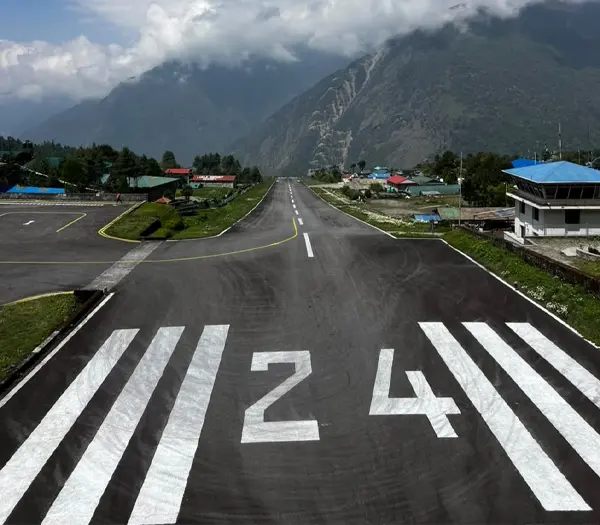
Flight disruption is not an emergency in the Khumbu. It is a normal Tuesday. The runway at Lukla is short and weather-dependent, and morning windows close fast.
In busy seasons, flights have often operated from Manthali (Ramechhap) rather than Kathmandu, which means very early starts. Ask which airport applies to your dates.
Then ask what happens when the window closes. A good operator builds spare days at both ends, treats delays as routine, and explains in advance who rebooks flights, whether a helicopter is an option, and who arranges the extra hotel nights. A company that treats a grounded flight as an exception probably has not handled enough of them. Our guide to Lukla flight cancellations and delays walks through what to expect.
How Peak Season Changes the Test?
Autumn (September to November) and spring (March to May) are the best seasons for the Everest region, and also the busiest. Lodges in Namche, Dingboche and Lobuche fill quickly, and the trail below Namche can feel like a queue.
An operator with long relationships with lodge owners secures warmer dining rooms and better beds when space is tight. Ask how early it books lodges, and how it staggers departures to avoid bridge congestion.
Winter brings quiet trails and serious cold. The monsoon brings slippery paths and poor visibility. Whatever season you choose, ask the company to explain how it adapts, and read our breakdown of the best time to trek in Nepal.
Group Size, Porters and How a Company Treats Its Crew
Group size is a safety variable, not a comfort preference. Groups of around eight to twelve with more than one guide let someone watch every trekker. One guide with twelve people is a headcount, not supervision. If you need your own pace, ask about private departures.
Then look at the porters. A commonly cited limit is about 25 kg per porter, usually shared between two trekkers. Staff should be insured, properly clothed for mountain weather and paid fairly.
How a company treats the people carrying your bag is a reliable preview of how it will treat you when you are exhausted.
What a Straight Package Should Spell Out?
Two itineraries that look identical can differ in five places: flights, permits, meals, porter support and delay nights. Ask for a line-by-line list of inclusions and exclusions, and compare scope rather than summaries.
Inclusions should name the permits, both Lukla flights, lodge accommodation, trek meals, guide, porter and Kathmandu transfers. Exclusions normally cover international flights, insurance, visa, personal gear and trail extras such as charging, hot showers and snacks.
Ask too whether down jackets and duffels are provided and what you must bring. Our Everest Base Camp packing list shows how to prepare either way.
Local Operator or International Agency?
Neither is automatically the best company for Everest Base Camp trek. What matters is who runs your trek on the ground.
Many international sellers contract a Nepali operator to deliver the trip, which is fine as long as you know who employs the guide and who answers the phone at 3 a.m.
Booking locally usually means direct contact with the people running your trek and faster decisions on the trail. Booking through an agency at home can mean consumer protections and language comfort.
Either way, ask one question: "Which company holds the licence for my trek?"
Reading Reviews and Spotting Red Flags
Read reviews across TripAdvisor, Google and Trustpilot, then look for the words that matter: "altitude", "delay", "cancelled", the guide's name.
A five-star review about views tells you little. One describing how a sick trekker was handled tells you everything. Note how the company replies to criticism, and be wary of clusters of near-identical praise.
A company that cannot describe a time things went wrong is not the best company for Everest Base Camp trek. It is an untested one.
Other warning signs:
Missing or evasive licence and registration numbers
An unnamed guide
A compressed schedule with no rest days
Vague answers about evacuation
"100% success" claims, which ignore weather and altitude
Pressure to pay in full, or to a personal account
An itinerary where nothing ever goes wrong
Five Things to Ask for in Writing
Before paying a deposit, request:
The company's licence and membership numbers, plus your guide's name and licence.
A day-by-day schedule with sleeping altitudes and rest days marked.
A written delay and evacuation procedure.
A line-by-line inclusions and exclusions list.
Contact details for a recent guest, or reviews that mention altitude.
Any company that deserves to be called the best company for Everest Base Camp trek will send all five within a day or two. Prompt, specific, unpressured answers are the best preview of how it will behave at 4,900 m.
How Altitude Quest Approaches Everest
Altitude Quest is a Kathmandu-based, owner-led operator. Ramesh Thapa Chhetri, the director, is named in guest reviews alongside the guides who led their treks.
Our Everest programme covers four treks, from the classic 15-day route to the Three Pass circuit. Our climbing programme (Lobuche and Island Peak combined with Base Camp, plus Mera Peak) applies the same acclimatization logic above 6,000 m.
Held against the checklist above, here is what you can check for yourself:
Guides and safety: Our site states that treks are led by licensed guides with first aid support on the trail. Ask for your guide's name and licence before you pay.
Honest grading: The 15-day classic is graded Moderate. The Gokyo, Renjo La, Three Pass and Base Camp with Gokyo routes are graded Hard/Challenging, and we say so up front.
A public record: The classic trek holds a 5.0 rating from 17 reviews. At the time of writing, our homepage also lists 50 TripAdvisor and 10 Google reviews. Read the client reviews or watch the video reviews, including a Three Pass trekker and a guest who completed the Base Camp trek twice in 30 days.
Affiliations: Our site displays badges for NMA, TAAN and KEEP, among others.
We would rather you test us than trust us. Send us the five requests above and judge the answers.
We aim to be the best company for Everest Base Camp trek for you, which sometimes means steering you toward a different route, a different season or an extra rest day.
Browse the Everest Base Camp Trek – 15 Days itinerary, or customize a trip around your dates and fitness.
Choose the Operator You'd Want Beside You at 5,000 Metres
Mountains punish vague promises. Choose the company that is specific, answers awkward questions plainly and tells you what is hard.
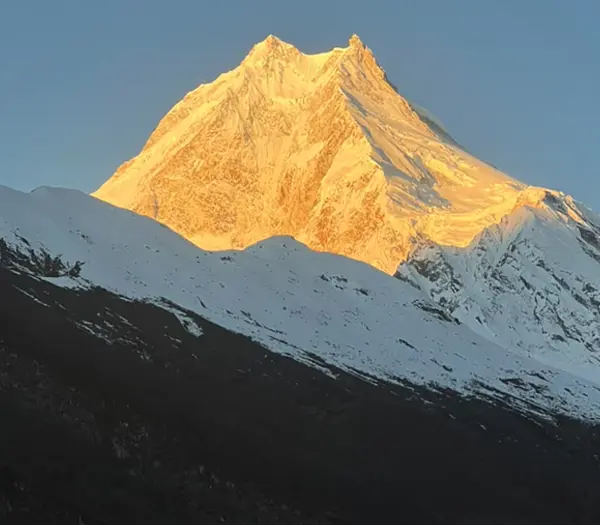
The best company for Everest Base Camp trek tells you the truth before you book. Then it gets you to Kala Patthar at dawn, when the light turns Everest gold and the whole climb suddenly makes sense.
Frequently Asked Questions Before You Book
Is the 15-day Everest Base Camp trek suitable for a first-timer?
Yes, with proper preparation. The trek is graded Moderate, which means a few months of regular hiking or stair training, comfort with consecutive long days and a willingness to go slowly. Fitness does not predict altitude tolerance, so pace matters more than speed. Tell us your experience honestly and we will advise whether this route or a gentler one suits you.
What visa do I need to trek in Nepal?
Most nationalities can get a tourist visa on arrival at Tribhuvan International Airport or apply online beforehand, though rules vary by nationality. Carry a valid passport and spare passport photos for permits. Our Nepal tourist visa guide lists current options.
Can I trek privately or change the itinerary?
You can request a private or customised plan, such as extra rest days, a slower pace or an extension to Gokyo. Share your dates, fitness and priorities through our Customize Trip page and we will tell you honestly what is possible.
Is Nepal safe to travel to after the 2026 floods?
Conditions vary by region and change quickly, so check before committing. Our post-flood travel update explains what trekkers should know, and our team can advise on your specific dates and route.
When should I book, and what should I tell you when I enquire?
Book several months ahead for autumn and spring, when flights and lodges fill fastest. When you enquire, share your dates, hiking experience, any medical conditions and previous altitude exposure. That lets us recommend the right route and pace rather than simply the most popular one.
What will I carry on the trail?
A small daypack with water, layers, rain shell, sunscreen, camera and snacks. Your porter carries the main duffel within a weight limit set by the company, so ask what it is before you pack.