Season wise breakdown for best time to trek in Nepal
Autumn Season (September to November) – The Peak Trekking Season
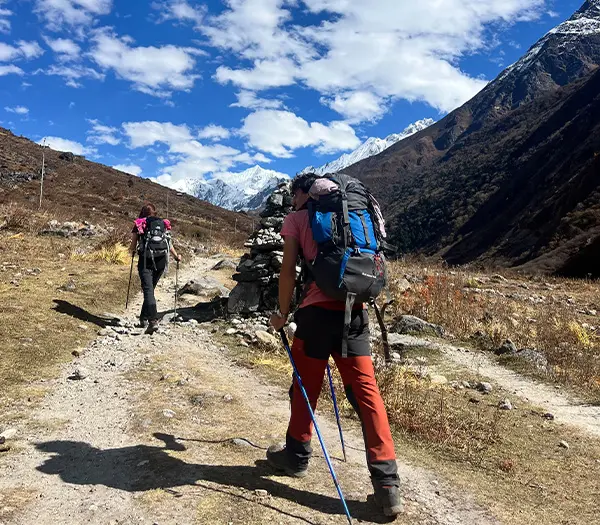
Autumn is the best season to trek in Nepal, and it's agreed upon globally by everyone, as it attracts thousands of trekkers from all corners of the globe. Spanning from September to November, it comes after the monsoon season, when the air is crystal clear, the climate is cool, and the scenery appears green and rejuvenated. The weather is calm, with comfortable temperatures and minimal rainfall, so this is the safest and most enjoyable time to trek in the Himalayas.
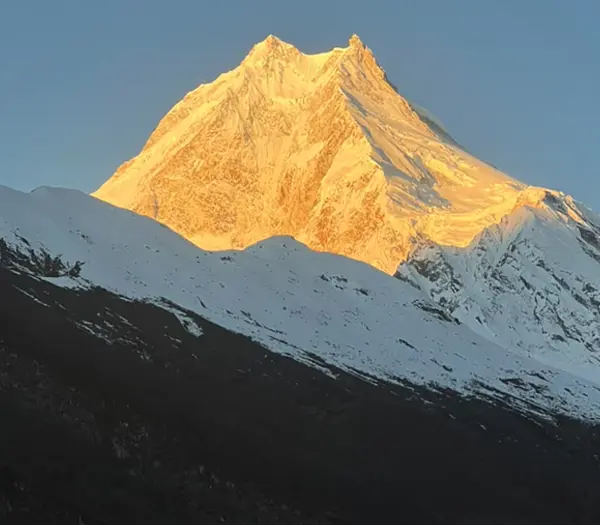
Temperatures in the mid-hills during the daytime are 14°C to 20°C, while at higher altitudes, temperatures are close to freezing point, especially in the evenings. Autumn provides the best visibility with some of the most scintillating views of the Himalayan mountain ranges. It is either the daunting Everest, the Annapurna massif, or lesser-known beauties of Manaslu, but the view of the mountains here is simply spectacular.
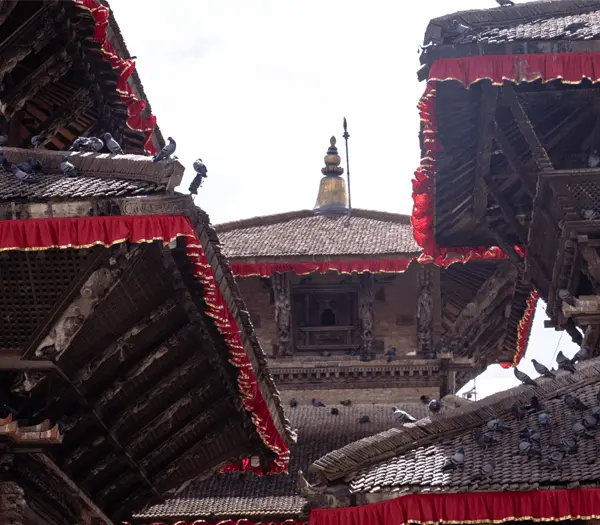
Autumn also coincides with Nepal's biggest festivals, Dashain and Tihar, providing an opportunity for trekkers to experience rich cultural traditions, family celebrations, and colourful local life along the trails.
Highlights of Autumn Trekking in Nepal
- Consistent weather and mild temperatures appropriate for all trekking regions.
- Clear mountain views with sharp definition after the monsoon season.
- Festive atmosphere as major Hindu festivals like Dashain and Tihar fall during this period of the year.
- Ideal safety and comfort situation with minimum opportunity for landslides, avalanches, or deep snowfall.
Fall enjoys the best of both worlds, ideal weather, cultural encounter, and unmatched mountain scenery, making it the most recommended season to hike in Nepal.
Spring Season (March to May)
Spring is likely the best season and most gratifying time for trekking in Nepal. From March until May, the weather is established, the skies are largely blue, and the trails are dotted with colors of immense beauty. As winter snows melt, the passes of the mountains open, the valleys erupt into green, and the rhododendron forests bloom fully in a rainbow of reds, pinks, and whites, and a backdrop that provides trekkers with an enchanting experience.
During this season, mid-hills experience mean daytime temperature of 16°C to 23°C, but with greater altitude being cold, especially in the morning and evening hours. Skies stay mostly clear, with great panorama views of giant Himalayas such as Everest, Annapurna, Manaslu, and Dhaulagiri.
Spring is also the climbing season in Nepal, and most expeditions attempt to get to the world's highest peaks, like Mount Everest. This adds a thrilling atmosphere to the trekking trails, particularly to the Everest area, as you may be able to witness climbers preparing for their ascents.
Trekking Highlights of Spring in Nepal
- Sunny weather and mild conditions make it ideal to trek both low and high elevations
- Flowering rhododendron forests and green farmland add beauty to the trails beyond comparison.
- Excellent mountain views with lesser chances of cloud cover.
- Ideal time for high-pass treks like Everest Three Passes, Manaslu Circuit, and Annapurna Circuit as the trails are snow-free and accessible.
- Opportunities to witness expeditions heading towards Everest and other 8,000-meter peaks.
Spring is a season of balance where one enjoys good weather, cultural vitality, and nature in full bloom, and hence one of the best times to travel to Nepal's Himalayas.
Winter Season (December to February)
Winter season in Nepal from December to February, is the coldest time of the year in the Himalayas. Although the temperatures can be harsh, especially at higher altitudes, the season gives a peaceful trekking experience with few trekkers on the trails. The weather is mostly clear in the skies, offering trekkers stunning views of snow-capped mountains while the lower-altitude regions are comparatively warm and cozy for trekking.
Daytime temperatures in the lower hills range from 9°C to 15°C, but in the colder altitudes above 3,500 meters, the temperature goes well below freezing, especially at night. Heavy snowfall tends to block high mountain passes such as Larkya La, Thorong La, or Cho La, making high-altitude treks challenging or impossible. But it is a good time for short and low altitude treks such as Ghorepani Poon Hill, Langtang Valley, Helambu.
One of the best parts of winter trekking is the solace and peacefulness. As there are fewer trekkers on the trail, you enjoy peaceful walks, warm comfort at teahouses, and uninterrupted Himalayan views.
Highlights of Winter Trekking in Nepal
- Crystal clear skies and razor-sharp mountain views throughout the season.
- Tranquil and less crowded trails, ideal for those looking for solitude.
- Best time for short and low-altitude treks with warm weather.
- Snow-covered landscapes create a magical, winter-wonderland ambiance in the Himalayas.
- Warm teahouse comfort as villages have fewer trekkers and are less crowded.
Winter Nepal trekking is best suited for individuals who relish peace and quiet and are not disturbed by the cold. Although not the peak time for high-altitude treks, it offers a satisfying and personal Himalayan experience in the lower altitudes.
Monsoon Season (June to August)
The monsoon period in Nepal lasts from June to August and is marked by torrential rain, warm weather, and a completely different type of trekking. Although it is the least popular season for trekking, it holds another type of reward for people who are not dismayed by rain and dampness. The hills and valleys turn into a green paradise, the rivers swell with life, and waterfalls fall in picturesque manner along the trails.
Daytime temperatures in the hills range from 18°C to 27°C, warm and humid. But regular rain showers, especially in the afternoons, will render trails muddy and slippery. Mountain views will more than likely be obscured by clouds, but when the skies do clear, the scenery is lushly fresh and exhilarating.
The monsoon does not fit all trekking routes due to the risk of landslides, leeches, and unfavorable weather, but certain rain-shadow areas like Upper Mustang and Dolpo are still excellent choices. These destinations are located on the opposite side of the Himalayas and receive very minimal rainfall, and a trekker can still enjoy blue skies and dry trails even during monsoon.
Highlights of Monsoon Trekking in Nepal
- Pristine green landscape with lush forests and colorful terrain.
- Less crowded paths, offering peaceful experiences.
- Best time for cultural treks as villages are full of agricultural activities.
- Rain-shadow treks to Mustang and Dolpo are excellent options with dry and clear weather.
- Budget travel period with cheap flights and stay.
Nepal monsoon trekking is ideal for that trekker who loves solitude, greenery, and culture. Though challenging in most regions, it can be rewarding if you choose the right trekking spots in the rain-shadowed regions.
FAQs on When to Trek in Nepal
When is the best time for trekking in Nepal?
The best seasons to trek in Nepal are spring (March to May) and autumn (September to November). Both seasons have regular weather, blue skies, and stunning views of the mountains and are optimal for high-altitude treks such as Everest Base Camp, Annapurna Circuit, and Manaslu Circuit. Spring has its own advantage with rhododendron forests blooming and warm temperatures, while autumn offers the clearest of skies and new landscapes after the monsoon season.
Can I trek in Nepal during the winter season?
Yes, It is possible to trek in Nepal during winter (December–February), but it is more suitable for lower-altitude treks like Ghorepani Poon Hill, Langtang Valley, or Helambu. High passes like Thorong La and Larkya La have a tendency to close due to the high snowfall, thus making high-altitude trails difficult. Winter does offer empty trails, clear mountain vistas, and a peaceful trekking experience for those who don't mind the cold.
Is monsoon a good time for Nepal trekking?
The monsoon months (June–August) are not suitable for most trekking areas as the terrain remains wet, the trails are muddy, there are leeches, and there are chances of landslides. Nonetheless, certain rain-shadow areas such as Upper Mustang and Dolpo are still great places to trek during this season because these areas receive negligible rainfall. Monsoon treks also involve lush green scenery, fewer tourists, and cheaper travel prices, making them a great option for thrill-seeking trekkers.
What is the weather like in spring and autumn treks?
In spring (March–May), the temperature in mid-hills is 16°C to 23°C, with the higher altitudes cooler, especially in the evenings. The days are warm and nice for trekking. In autumn (September–November), the daytime temperatures average 14°C to 20°C, with nights colder at higher elevations. Both these seasons have clear mountain views, stable weather, and nice trekking conditions and are therefore the best seasons to trek in Nepal
What is the best season for beginner trekking in Nepal?
For beginners, the best season to trek in Nepal is autumn (September–November). The climate is stable, the trails are dry, and the scenery is breathtaking. Some of the popular beginner treks are Everest Panorama Trek, Ghorepani Poon Hill, Langtang Valley, and Mardi Himal Trek. Spring is also a good time, but it is warmer and busier with climbers and trekkers on the trails.
Do I need to prepare differently for each of the Nepal trekking seasons?
Yes, the preparation is different based on the trekking season. For autumn and spring, light apparel with good layering is appropriate. Trekkers need warm gear, thermal layers, and good sleeping bags in winter. Waterproof gear, leech socks, and quick-drying apparel are essential in the monsoon season. Regardless of the season, quality trekking footwear, layered clothing, and rain gear need to be included in your packing list.
When is the best time for high-pass treks in Nepal?
High-pass treks like the Everest Three Passes, Manaslu Circuit, and Annapurna Circuit are best done in spring (March–May) and autumn (September–November). During these times, the snow has cleared from the trails, and high passes are easier to attempt. Attempting to do them during winter is risky due to the heavy snowfall, while the monsoon season will make landslides and unpredictable weather probable.
Conclusion
Nepal is a trekker's paradise, with trails ranging from gentle lowland walks to challenging high-altitude treks. Choosing the best time to trek in Nepal is crucial to maximize safety, comfort, and the amazing experiences the Himalayas yield. Spring (March–May) is marked by blooming rhododendrons, comfortable weather, and clear skies, while autumn (September–November) offers the best mountain views, stable weather, and festive cultural experiences. Winter (Dec–Feb) offers deserted trails and snow-dusted landscapes at lower altitudes, and monsoon (Jun–Aug) rewards hardy trekkers with lush scenery and rain-shadow treks in Mustang and Dolpo.
By planning your trek according to the appropriate season, you are able to enjoy Nepal's high mountains, varied culture, and verdant natural beauty at their best. Whether a beginner trekker seeking moderate treks or an experienced campaigner attempting to conquer high passes, opting for the right trekking season guarantees a lifetime experience in the Himalayas.
Book your next quest with Altitude Quest and witness Nepal's magic at its finest, with expert guidance, safe trekking routes, and memories for a lifetime.