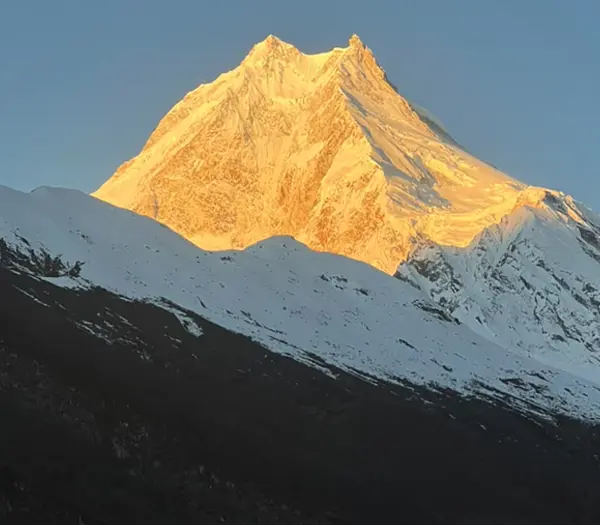
Highlights of Manaslu Circuit Trek
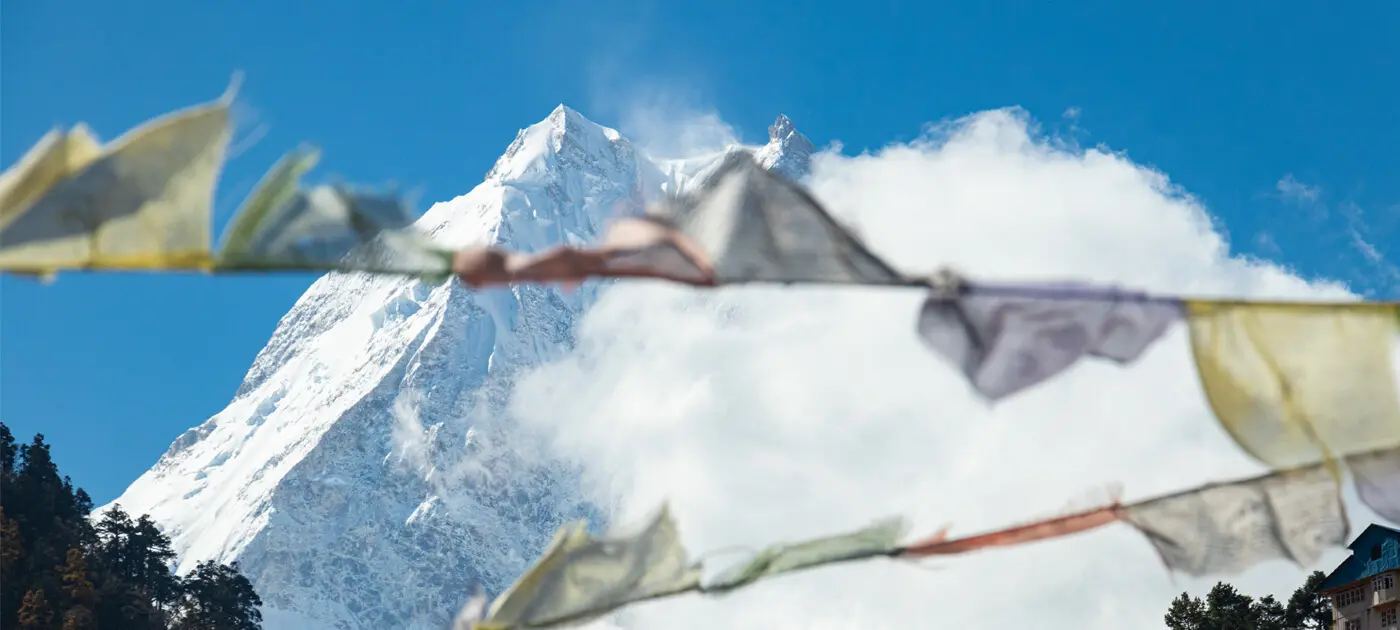
- Trek to the world's eighth-highest mountain, Mt. Manaslu (8,163 m) with Himalayan-wide panoramas.
- Cross Larkya La Pass (5,106 m), one of Nepal's best high-altitude passes with amazing scenery of Manaslu, Himlung, Cheo, and Annapurna ranges.
- Visit Tibetan inspired villages, Buddhist monasteries, mani walls, and prayer flags as examples to centuries-long traditions.
- Enjoy peaceful and less-touristed trekking trails as opposed to more touristy Everest and Annapurna circuits.
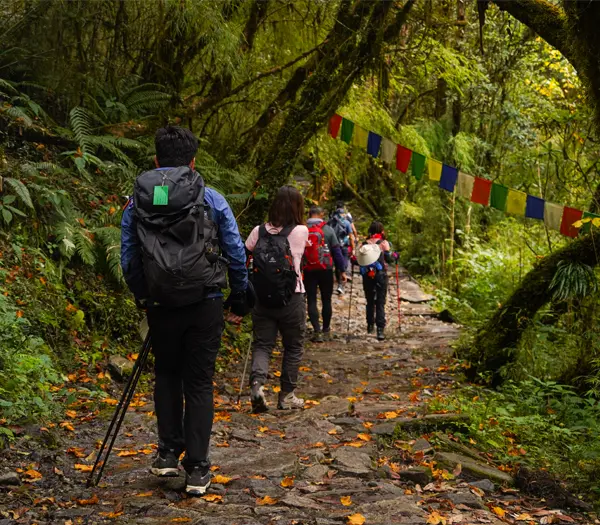
- Explore diverse scenery from subtropical jungle and stepped fields to alpine grassland, glaciers, and rugged mountain scenery.
- Trek along the Manaslu Conservation Area, and get to witness Himalayan tahr, blue sheep, and even the snow leopard inhabit.
- Experience ancient monasteries like Pungyen Gompa and villagers preserving unique Himalayan customs.
How to Reach Manaslu Circuit Trek?
Reaching the starting point of the Manaslu Circuit Trek is careful, as it lies in the remote corner of western Nepal. Most trekkers begin the journey from Kathmandu, the capital city, which is well connected to the rest of the world.
By Road
The most common way of reaching the trek is by road. Trekkers from Kathmandu can travel by road to Arughat via the Prithvi Highway, a journey that will typically take 7–9 hours. The road continues to Soti Khola or Machha Khola, the trek's official trailhead. The road is scenic along rivers, hillside with terracing, and villages but frequently long and rugged in spots. Private jeeps or buses are feasible; private cars are preferred for comfort and ease.
Trekking Start Point
The trek officially begins either from Soti Khola or Machha Khola, depending on the route. Then, the route follows the Budhi Gandaki River, gradually walking into the Manaslu Conservation Area, passing through remote villages and forests. Reserving a reliable trekking agency like Altitude Quest can ensure safe transport, guide services, and logistics en route to the Manaslu Circuit.
Best Time to Trek the Manaslu Circuit
The Manaslu Circuit Trek can be done throughout the year, but the ideal seasons are spring (March and May) and autumn (September and November). During these periods, the weather remains peaceful, the skies are blue, and the Himalayan ranges are visible in full view, allowing the trekkers to have the opportunity to see splendid panoramic views of Manaslu, Annapurna II, and surrounding mountains. Spring decorated the trail with rhododendron forests along the path, which colors the green scenery with shades of red and pink. Autumn is crisp and cool with best trekking weather, and it is best for those who desire clear skies and pleasant weather.
Winter (December to February) is colder, particularly at higher elevations, but the path is less crowded with tourists and offers a serene trekking experience to serious adventurers. The months of monsoon (June to August) have the rain pouring down in torrents, which would make trails slippery and streams swollen, and is therefore generally less favorable for the trek, although lower-altitude sections stay green and scenic. Choosing the best time is critical for maximizing comfort, safety, and overall enjoyment of the Manaslu Circuit Trek.
Permits for Manaslu Circuit Trek
Trekkers must obtain three important permits to trek the Manaslu Circuit, which include the Manaslu Restricted Area Permit (RAP), the Manaslu Conservation Area Permit (MCAP), and the Annapurna Conservation Area Permit (ACAP). The permits preserve natural resources, regulate trekking activities, and provide security measures for trekkers on the trail.
Manaslu Restricted Area Permit (RAP)
- Foreign Nationals (Sept–Nov): USD 100 per head for the first 7 days, USD 15 for each additional day
- Foreign Nationals (Dec–Aug): USD 75 per head for the first 7 days, USD 10 for each additional day
- SAARC & Nepali Nationals: Same rules apply but costs are minimized; ask local authorities
- Validity: Days of trekking in limited area
- Documents Required: Valid passport, valid Nepal visa, two passport photos
- Where to Buy: Department of Immigration, Kathmandu (only through a registered trekking agency)
Manaslu Conservation Area Permit (MCAP)
- Foreign Nationals: NPR 3,000 (around USD 25)
- SAARC Nationals: NPR 1,000 (around USD 8)
- Nepali Nationals: Free
- Duration: One month
- Required Documents: Valid passport, two passport photos
- Where to Buy: Nepal Tourism Board offices in Kathmandu or Pokhara
Annapurna Conservation Area Permit (ACAP)
- Foreign Nationals: NPR 3,000 (around USD 25)
- SAARC Nationals: NPR 1,000 (around USD 8)
- Nepali Nationals: Free
- Duration: One month
- Documents needed: Valid passport, two passport photos
- Where to Obtain: Nepal Tourism Board offices in Kathmandu or Pokhara
Difficulty of the Manaslu Circuit Trek
The Manaslu Circuit Trek is a challenging to medium trekking, and it is suitable for people with relatively sound physical health and some experience in trekking. This trek is challenging because it is longer, the country is far from civilization, and there are high-altitude stretches, particularly while trekking across the Larkya La Pass (5,106 m). Trekkers should prepare for steep ascents, rough trails, and occasional river crossing, and this requires cautious steps and stamina.
Difficulty is largely determined by altitude as the trek gradually ascends from lower heights of approximately 600–700 m at Soti Khola to high-altitude villages and alpine zones above 4,000 m. Acclimatization days are required, especially in the high mountain terrain of Manaslu, to minimize the risk of altitude sickness.
While demanding, the trek is rewarding due to its stunning landscapes, cultural insights, and secluded Himalayan experience. Adequate preparation in physical fitness, acclimatization plan, and the services of qualified local guides enable trekkers to enjoy this ultimate experience in one of Nepal's most fascinating and ethnically diverse trekking regions.
Travel Insurance for Manaslu Circuit Trek
Travel insurance is essential for all trekkers going for the Manaslu Circuit Trek since it ensures safety and protection while on the trek. Due to the high altitude, distant location, and unexpected weather, good insurance should include emergency medical evacuation, helicopter rescue service, hospital stay, and trip cancellations. Most trekking agencies, such as Altitude Quest, also suggest insurance that protects against lost or destroyed equipment, since the trek goes through remote villages where one may not easily be able to replace it. High-altitude trekking poses risks of altitude sickness, slips and falls, or general health emergencies, so appropriate insurance is a must for peace of mind. Make sure your insurance works in Nepal, including activities over 4,000–5,000 meters, and offers helicopter evacuation in case of an emergency. Not only does arranging travel insurance safeguard your finances and health, but it also allows you to fully enjoy and appreciate the breathtaking views, cultural interactions, and thrill of the Manaslu Circuit Trek without any hesitation.
Manaslu Circuit Trek Itinerary
Day 01: Arrival at Kathmandu and Transfer to Hotel
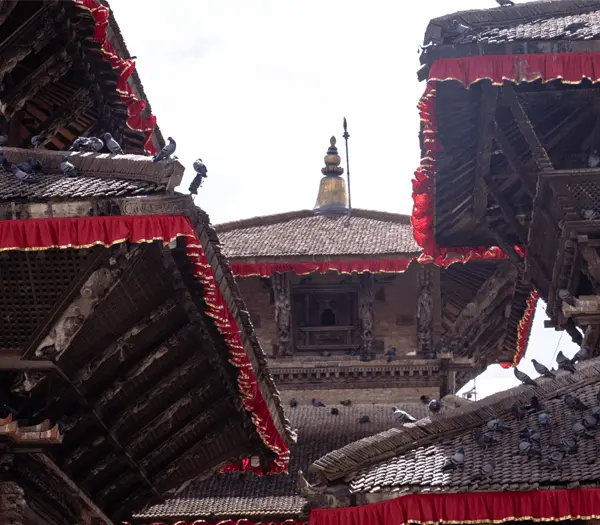
Day 02: UNESCO World Heritage Site Tour, Trip Briefing, and Welcome Dinner
Day 03: Drive to Machha Khola (approx. 9–10 hrs)
Day 04: Trek to Jagat Village (1,340 m / 6–7 hrs)
Day 05: Trek to Deng Village (1,860 m / 6–7 hrs)
Day 06: Trek to Namrung Village (2,660 m / 6–7 hrs)
Day 07: Trek to Shyala Gaun (3,500 m / 6–7 hrs)
Day 08: Trek to Sama Gaun (3,530 m / 2–3 hrs)
Day 09: Acclimatization Day at Sama Gaun
Day 10: Trek to Samdo Village (3,860 m / 4–5 hrs)
Day 11: Trek to Dharmasala / Larkya Phedi (4,460 m / 3–4 hrs)
Day 12: Trek to Bimthang via Larkya La Pass (5,106 m / 8–9 hrs)
Day 13: Trek to Tiliche Village (2,300 m / 6–7 hrs)
Day 14: Drive from Dharapani to Besisahar and Return to Kathmandu (approx. 10–11 hrs)
Day 15: Final Departure from Kathmandu
Physical Fitness and Training for Manaslu Circuit Trek
The Manaslu Circuit Trek is a moderately challenging to difficult trek that demands good physical health. Good preparation guarantees a safe, enjoyable, and memorable trip in the high Himalayas. Prior to the start of the trek, one is advised to undertake cardiovascular exercises, e.g., running, cycling, swimming, or brisk walking, for enhancing stamina and endurance. Strength training, particularly of legs, core, and back, helps deal with long daily hikes with a pack. Trekkers should also trek over uneven ground or up-trail, ideally with a loaded daypack to simulate real trekking terrain. Acclimatization is equally important; getting time at higher altitudes prevents altitude sickness and adapts your body to lower oxygen levels. In addition, you need to prepare yourself physically for long walking days, uncertain weather, and limited facilities at high altitude. Combined with acclimatization, physical conditioning, and mental preparation, trekkers can have a safe and enjoyable experience of the scenery, remote villages, and cultures of the Manaslu Circuit Trek.
How Cold is it at Manaslu Circuit Trek?
The Manaslu Circuit Trek covers a huge altitudinal range, from near 600 meters at Machha Khola to over 5,100 meters at Larkya La Pass, so the temperatures can be quite different along the route. In the lower sections of the valleys, daytime temperatures in spring and autumn are generally warm, 15°C to 25°C, and walking is pleasant in light clothing. However, mornings and nights can get cold, particularly during early spring or late autumn, when the temperature drops to around 5°C to 10°C. Far colder temperatures are felt as trekkers ascend to higher alpine areas. Day temperatures can be 5°C to 15°C in villages like Sama Gaun (3,500 m) and Samdo (3,860 m), while night temperatures drop below freezing and even dip to -5°C to -10°C. At Larkya La Pass (5,106 m), the conditions are severe with daytime temperatures at about 0°C and nighttime temperatures dipping to -15°C or more, usually with strong winds and snow. Correct layering, insulated jackets, gloves, thermal clothing, and a good sleeping bag are necessary to remain warm and cozy along the trek, especially while high-altitude crossing.
Acute Mountain Sickness & Precautions for Manaslu Circuit Trek
Acute Mountain Sickness (AMS) is a common risk of high-altitude trekking, such as the Manaslu Circuit Trek, especially during the ascent beyond 3,000–4,000 meters. AMS occurs due to the body's failure to acclimatize to lower oxygen pressure at high altitude. Though minor AMS hits the majority of trekkers, severe AMS is a threat and requires descent or treatment in a hospital.
Common Symptoms of AMS
- Recurring headache and dizziness
- Shortness of breath, even at rest
- Nausea, vomiting, and loss of appetite
- Fatigue and insomnia
- Swelling of hands, feet, or face (mild edema)
- Severe AMS can progress to life-threatening syndromes like High Altitude Pulmonary Edema (HAPE) or High Altitude Cerebral Edema (HACE), which must be evacuated immediately.
Common Prevention of Acute Mountain Sickness
- Hydrate: Consume 3–4 liters of water daily; keep alcohol and caffeine in moderation.
- Medication: Certain mountaineers use Diamox (acetazolamide) to acclimatize (after consulting a doctor).
- Listen to Your Body: Don't ignore ongoing symptoms, descending even a few hundred meters can be a huge relief.
- Pace Yourself: Walk at a slow pace and don't overexert yourself, especially above 3,000 meters.
What Do You Need to Pack for Manaslu Circuit Trek?
It is essential to carry the proper gear for the Manaslu Circuit Trek since the trek is from low-temperature warm regions to cold above 4,000 m. The weather may change any time, so layering is always ideal. Here's what you should carry:
Basic Packing Checklist for Manaslu Circuit Trek
- Valid passport, permits & insurance documents
- Backpack (50–65 L) with a rain cover
- Daypack (20–30 L) for basic items while trekking
- Reusable water bottles & purification tablets
- Sleeping bag (comfort -10°C) if not renting in Kathmandu or Pokhara
- Headlamp with extra batteries
- Personal toiletries & small first aid kit
Gear Checklist for Manaslu Circuit Trek
Clothing for Manaslu Circuit Trek
- Moisture-wicking base layers (top & bottom)
- Fleece jacket or down jacket for cold weather
- Waterproof and windproof shell jacket
- Trekking pants & thermal leggings
- Lightweight t-shirts and long sleeves
- Warm hat, sun hat, and gloves (inner + insulated)
Footwear for Manaslu Circuit Trek
- Sturdy, broken-in trekking boots
- Relaxed camp shoes/sandals
- Hiking socks (3–4 pairs, moisture-wicking)
Accessories for Manaslu Circuit Trek
- Ultraviolet-blocking sunglasses
- Buff/scarf for dust & wind
- Trekking poles (for steep ups/downs)
- Sunscreen (SPF 40+) and lip balm
- Quick-drying travel towel
Conclusion
The Manaslu Circuit Trek is one of the most amazing treks that features breathtaking Himalayan scenery, vibrant cultural heritage, and pure off-the-beaten-path adventure. Hugging the grand Mt. Manaslu (8,163 m) and crossing the challenging Larkya La Pass (5,106 m), this trek offers an unparalleled experience of adventure for those who want to feel the solitude, nature, and culture in its purest form. From subtropical forests and terraced agriculture to high alpine grasslands and Tibetan settlements, every step along this route offers a glimpse of the multi-hued beauty of Nepal.
With proper planning, permits, equipment, and preparation even beginning trekkers can safely take on this moderately challenging trek. The best spring and autumn seasons provide clear weather, gentle temperatures, and the best Himalaya views. Manaslu Circuit affects the local communities for the better through teahouse stays and responsible trekking, so it is a travel experience that benefits both the traveler and the community.
If you are an experienced trekker seeking high-altitude trek or cultural traveler interested in trekking to remote Himalayan villages, Manaslu Circuit Trek provides a once-in-a-lifetime experience. By choosing a professional trekking company like Altitude Quest, you can be sure to have expert guidance, safety, and hassle-free adventure with wonderful memories of Nepal's majestic landscapes, hospitable people, and spiritual culture.
FAQs of Manaslu Circuit Trek
Do I need a porter or guide for the trek?
Yes, it is mandatory to have a licensed guide for the Manaslu Circuit Trek. The guides ensure security, manage permits, provide insight into culture, and assist in traversing remote terrain. It is optional but recommended to have a porter, especially for carrying heavy packs, which enables trekkers to maintain energy for high-altitude days and feel more comfortable during the trek.
Is Manaslu Circuit Trek suitable for solo trekkers?
Solo trekking is possible but highly recommended to get a guide or trek in a small group. The trail passes through remote places with limited facilities, and it is safer with a guide to provide security, local knowledge, and backup in case of any emergency. Solo trekkers without enough experience and acclimatization may face altitude, navigation, or health-related problems.
Are there any medical facilities available on the Manaslu Circuit Trek?
Medical services are limited in the Manaslu region. Small health posts exist in large villages like Deng, Namrung, and Samdo, but specialist medical care is only available after descending to Besisahar or Kathmandu. Trekkers should carry a personal first-aid kit, altitude sickness tablets, and full travel insurance including emergency evacuation.
Can children undertake the Manaslu Circuit Trek?
The trek is not suitable for young children due to altitude issues, long days of walking, and limited facilities. Well-built older children with proper acclimatization and adult presence can undertake the trek, but it is best to consult a doctor prior to arranging a family trek.
What is internet and mobile network connectivity along the trek?
Connectivity is weak and spotty across Manaslu Circuit Trek. Nepali operators' mobile signals are available in some villages like Deng, Namrung, and Sama Gaun, but at higher points like Larkya La Pass, there is no signal. Internet is usually available at teahouses in the shape of Wi-Fi, typically with a small fee.
Can I trek Manaslu Circuit without fitness training?
It is very strongly not advised to attempt the trek without first conditioning yourself physically. The Manaslu Circuit Trek involves long days of walking, ascent climbs, and high-altitude treks. Pre-cardio, strength, and endurance training is required for safety, pleasure, and successful trekking completion.
Is tipping obligatory during the trek?
Not obligatory, tipping is becoming increasingly acceptable as a way of showing appreciation for the service of porters, guides, and teahouse staff. An average rule of thumb is 10–15% of the total trek cost, divided between guide and porter according to the service and assistance levels received during the trek.